
Visiting Versailles means discovering far more than a single palace. While the Château remains the main draw, the town that grew around it has its own rhythm, neighborhoods, markets, gardens, and cultural landmarks that reward those who take the time to explore. Extending your visit to Versailles into two or more days would allow you to explore more than just the Chateau. This guide of Things to Do in Versailles France is designed to help you understand the town as a whole, from its royal foundations to its quieter corners, and to plan a visit that goes beyond the obvious highlights with confidence and clarity.
Table of Contents
- 1 What is the town of Versailles?
- 2 Things to do at the Chateau of Versailles, the Gardens, or the Domaine de Trianon
- 3 Markets at Versailles
- 4 Things to do in Versailles, France: Shopping
- 5 Other things to do in Versailles France
- 6 How to get to Versailles France
- 7 FAQs About Things to do in Versailles France
- 8 Plan Your Visit to See Versailles Today!
What is the town of Versailles?
Versailles is a town in the department of Yvelines, in the Île-de-France region, about 17 km (10 miles) southwest of Paris. Long before the Château stole the spotlight, this was already a lively medieval stop along a busy route used by Norman farmers driving their livestock toward the markets of Paris. It was practical, well placed, and very much alive long before it became grand.
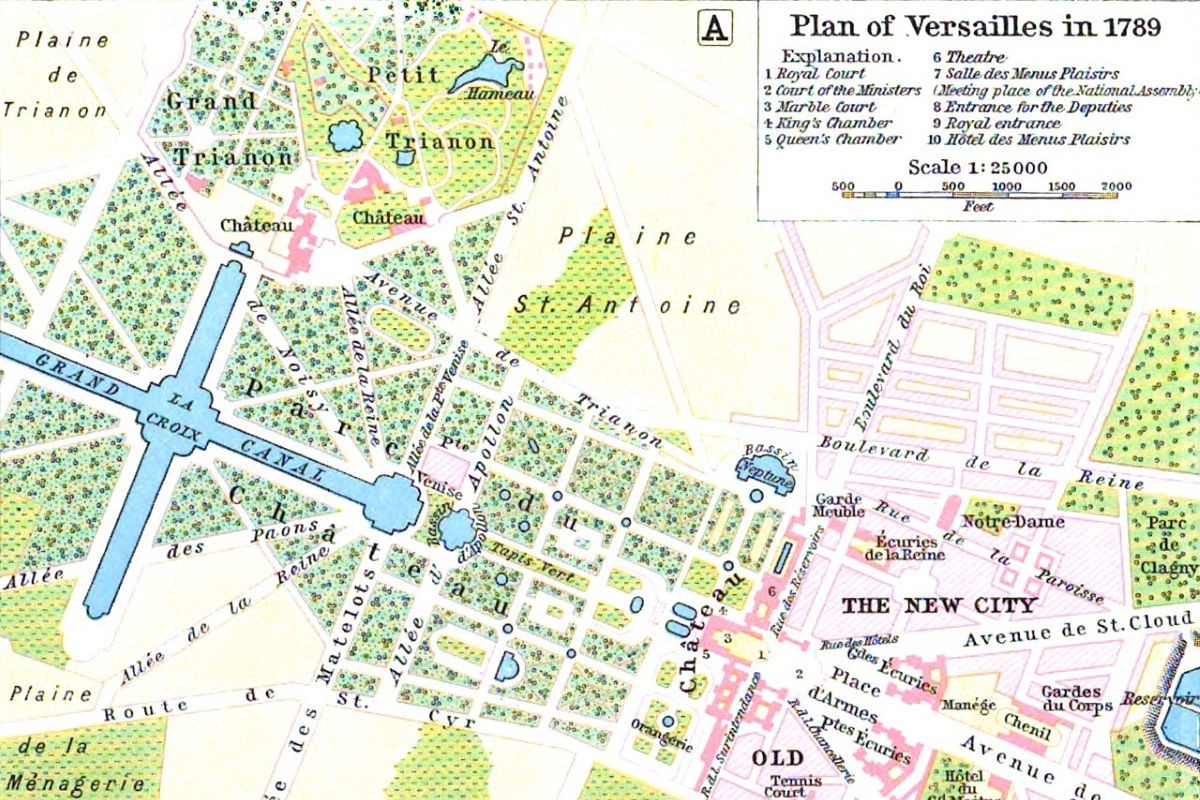
You can take a look at this Palace of Versailles Map for a better understanding of the grounds around the Palace!
In 1671, everything changed. Louis XIV, the Sun King, officially recognized Versailles by royal decree, encouraging the growth of a town designed to serve the Château and its swelling court. What followed was not just urban development, but the careful construction of a city built around royal life, with courtiers, servants, craftsmen, and artisans all playing their part in the daily rhythm of Versailles.
Things to do at the Chateau of Versailles, the Gardens, or the Domaine de Trianon
Visiting the Chateau de Versailles is one of the first things to do while you’re in Versailles and is the priority for many visitors. From the 1670s until the French Revolution, it was where power was exercised, displayed, and carefully managed on a daily basis. Seen together with the gardens and the Domaine de Trianon, the Palace makes more sense, revealing Versailles as a place that extended far beyond its walls and shaped every aspect of royal life.
Things to do at the Chateau de Versailles
Visiting the Chateau de Versailles is one of the first things to do while you’re in Versailles and is the priority for many visitors. From the 1670s until the French Revolution, it was where power was exercised, displayed, and carefully managed on a daily basis. Seen together with the gardens and the Domaine de Trianon, the Palace makes more sense, revealing Versailles as a place that extended far beyond its walls and shaped every aspect of royal life.
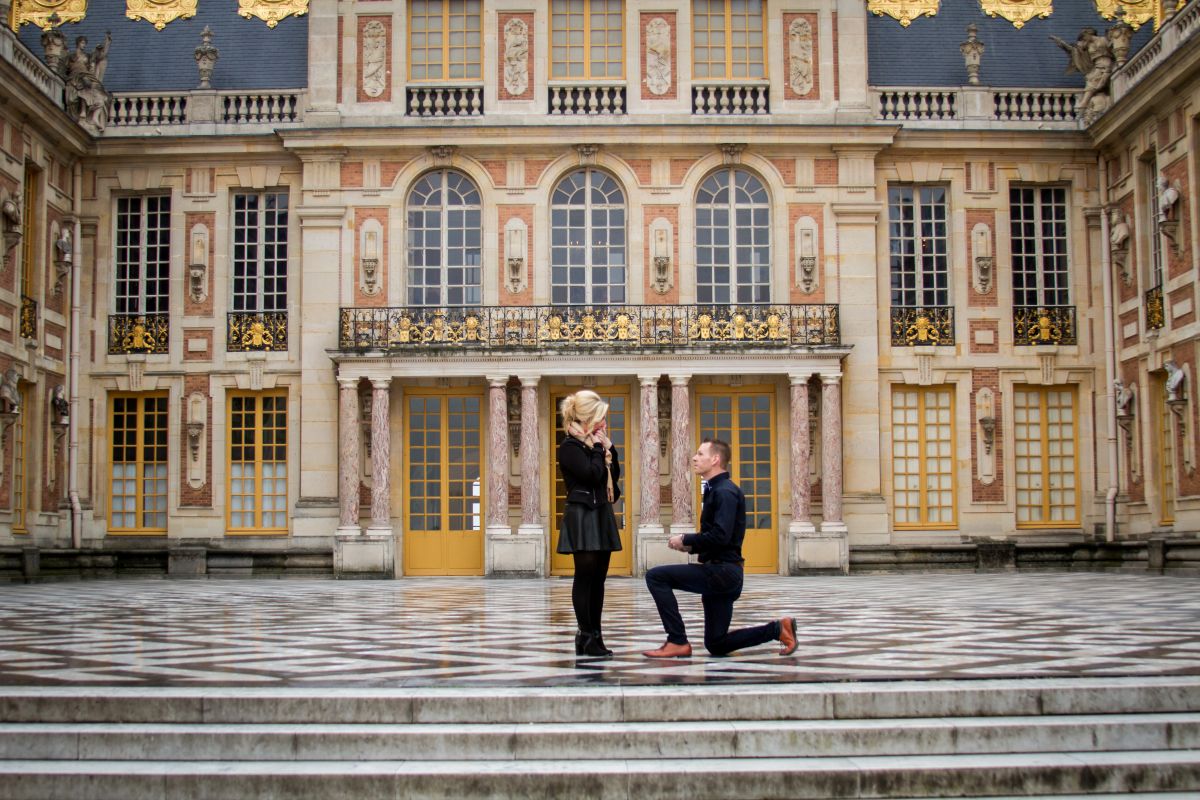
The Palace is open Tuesday through Sunday from 9 am. Closing time is 6.30 pm in high season, from April through October, and 5.30 pm in low season, from November through March. Last admission is generally 45 minutes before closing. As the Château is the most visited site on the estate, timing plays an important role. Early morning visits tend to be calmer, while late afternoon offers a slightly slower pace once larger tour groups begin to thin out.
1. Visiting the Grand Apartments
The Grand Apartments form the main ceremonial route through the Palace and are included in every standard ticket. These unmissable rooms were used for official receptions and daily court rituals, where rank and etiquette dictated movement and access. Each space was dedicated to a classical deity, reinforcing the language of royal power. You are able to walk through the route at your own pace. But for visitors who prefer a more structured introduction, a guided visit can help place the Palace, its layout, and its history into clearer context.
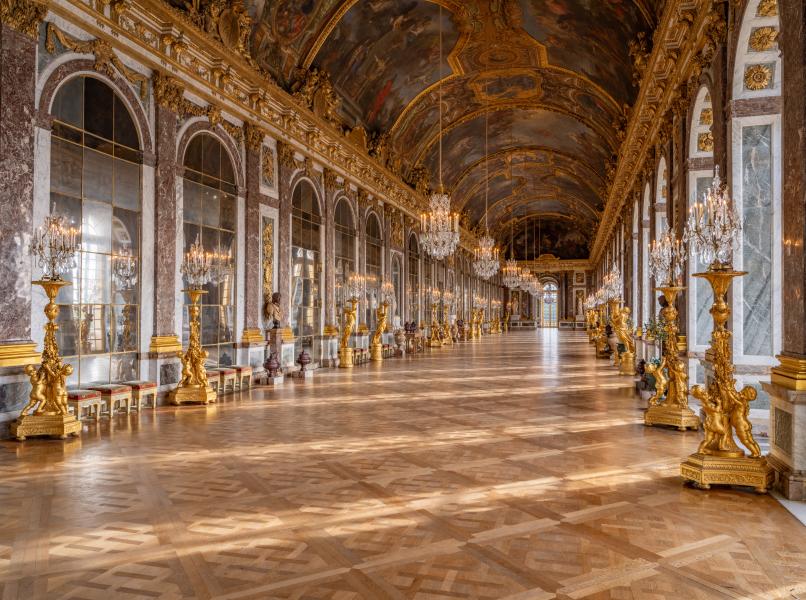
The Hall of Mirrors is the most famous room and also the busiest. Its long gallery once hosted diplomatic receptions and royal celebrations, and today it remains the most crowded point of the visit.
2. Visiting the Private Apartments
The Private Apartments offer a very different perspective from the grand ceremonial rooms. These smaller spaces were used by the King Louis XV and Louis XVI for daily life away from official rituals, and they reflect a more personal side of Versailles, where comfort and routine mattered as much as protocol.
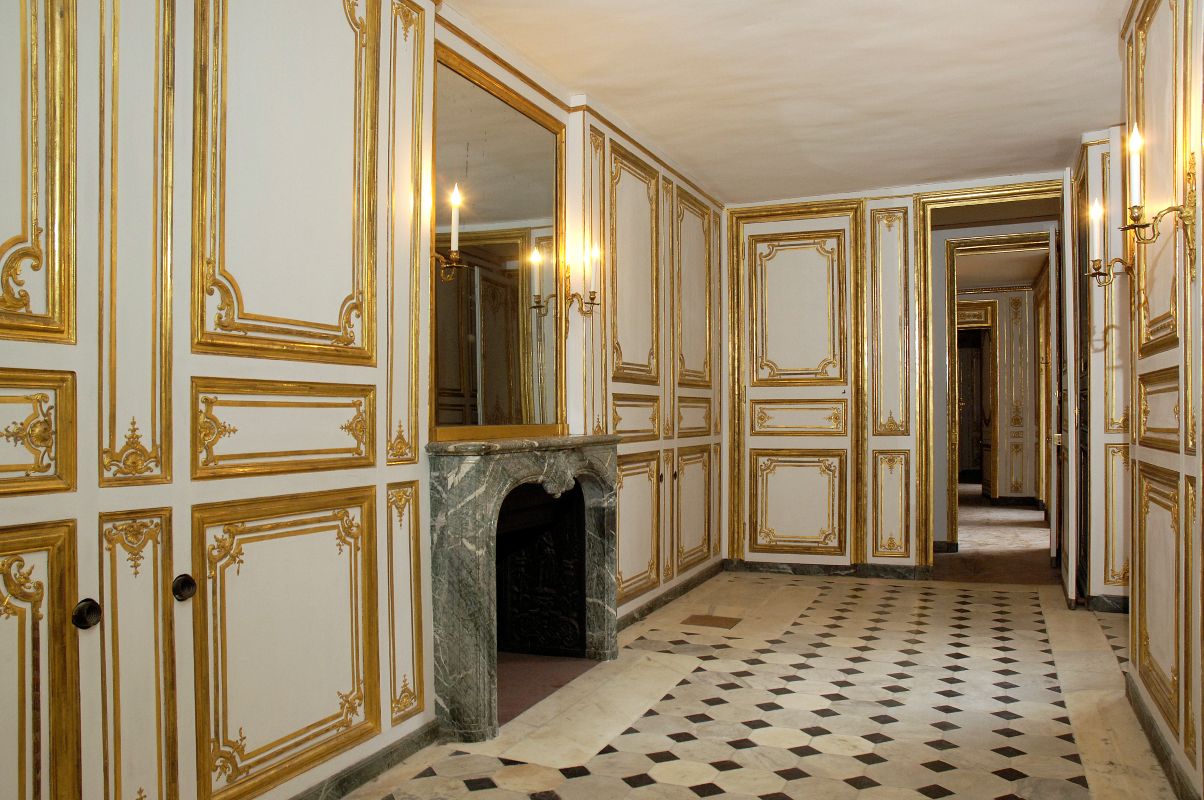
Access to the Private Apartments is limited and typically only possible with a guided visit at specific times of the day. Because of this, they tend to be quieter and less crowded, making them particularly rewarding for visitors interested in understanding how royal life was actually lived beyond the public spectacle of the court.
3. Dining at Versailles
Dining inside the Château itself is limited but convenient, designed to fit naturally into a visit rather than become a destination in its own right. These options allow you to pause without exiting the Palace or interrupting the flow of your visit.
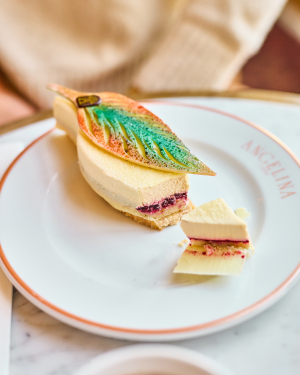
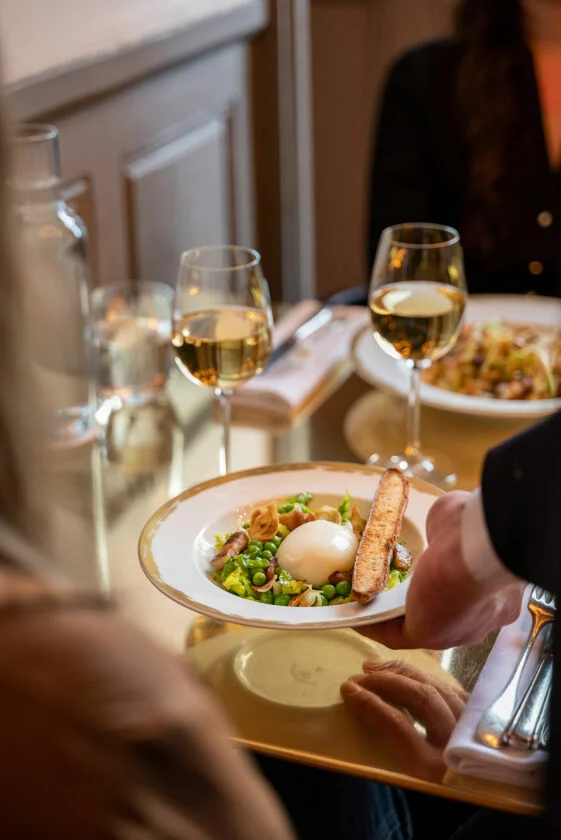
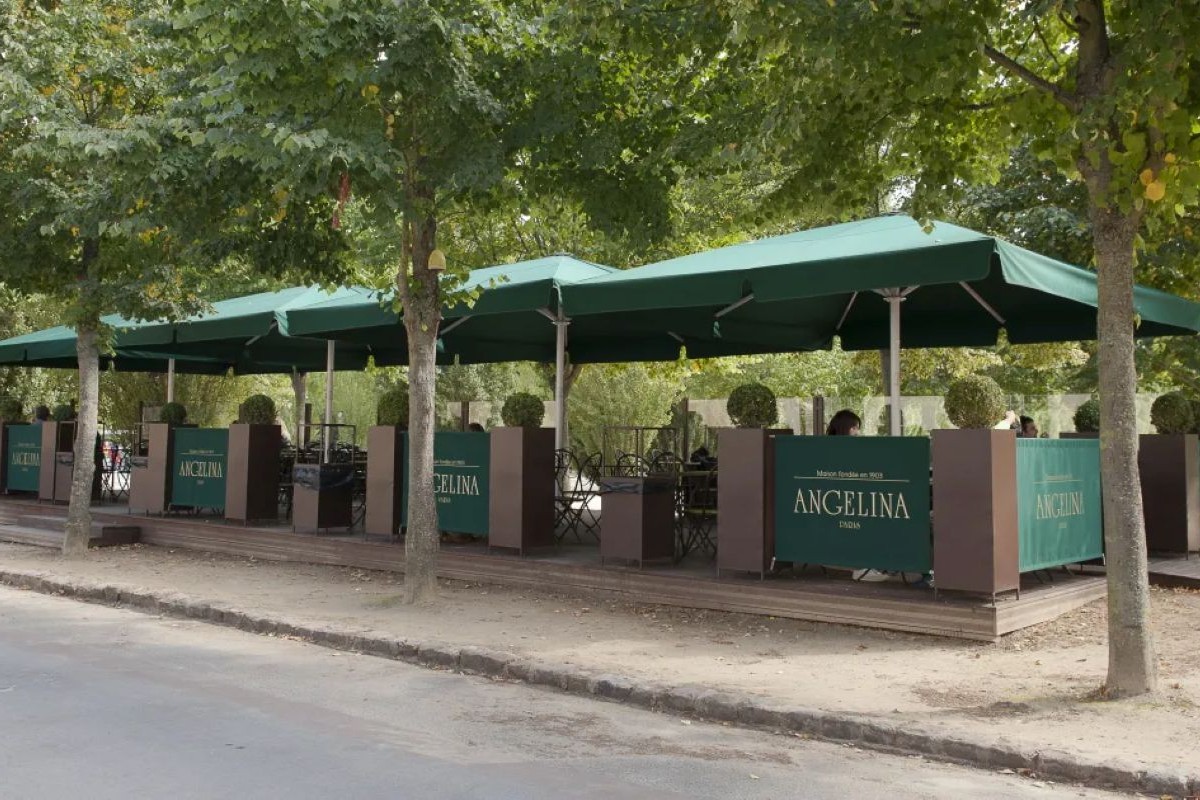
Angelina Versailles, located within the Château, is the most familiar option. Known for its hot chocolate, pastries, and light lunch dishes, it works well for a mid-visit break, especially in the morning. ORE – Ducasse au Château de Versailles, set within the Pavilion Dufour, offers a more refined experience focused on seasonal French cuisine, with views over the courtyards and gardens.
Things to Do in the Gardens and Park of Versailles
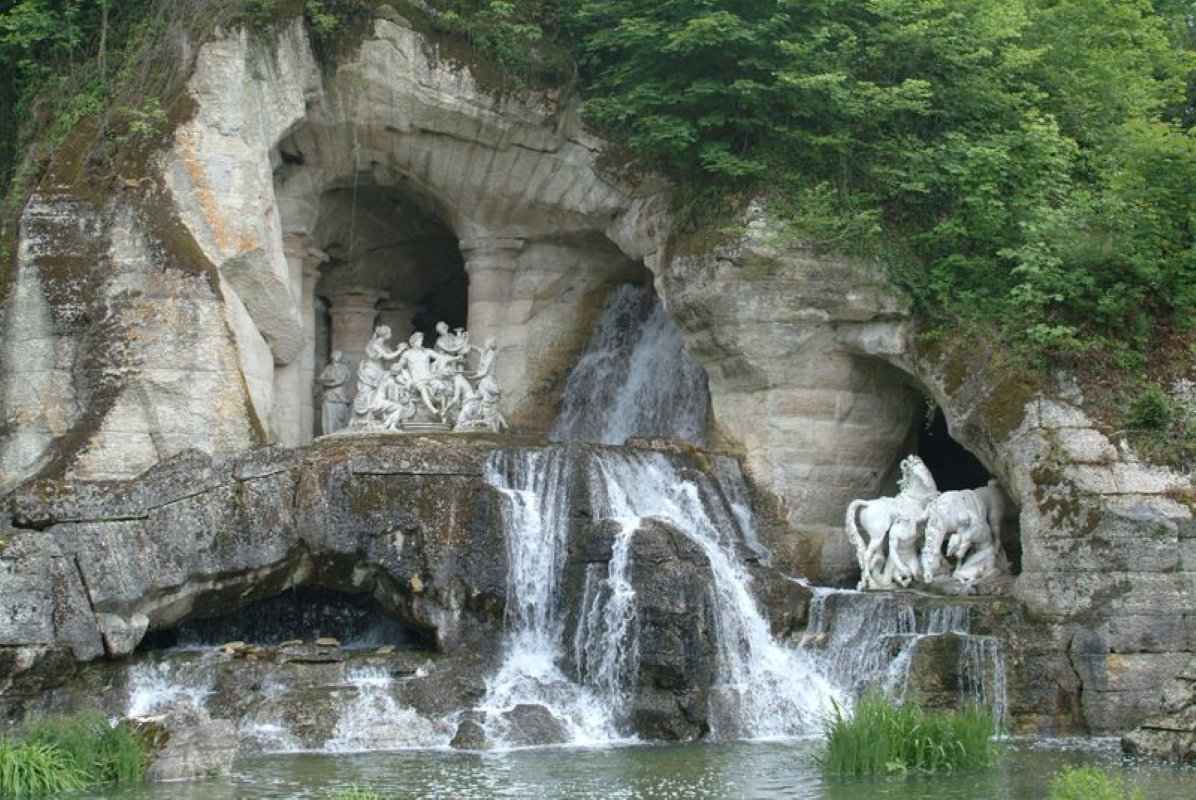
Designed by André Le Nôtre, the gardens and park of Versailles were conceived as an extension of the Palace itself. Long perspectives, carefully aligned paths, and sculpted groves create a sense of order that mirrors the architecture of the Château. Fountains, basins, and statues were not placed at random but arranged to guide movement and frame views, turning a walk through the gardens into a carefully paced experience.
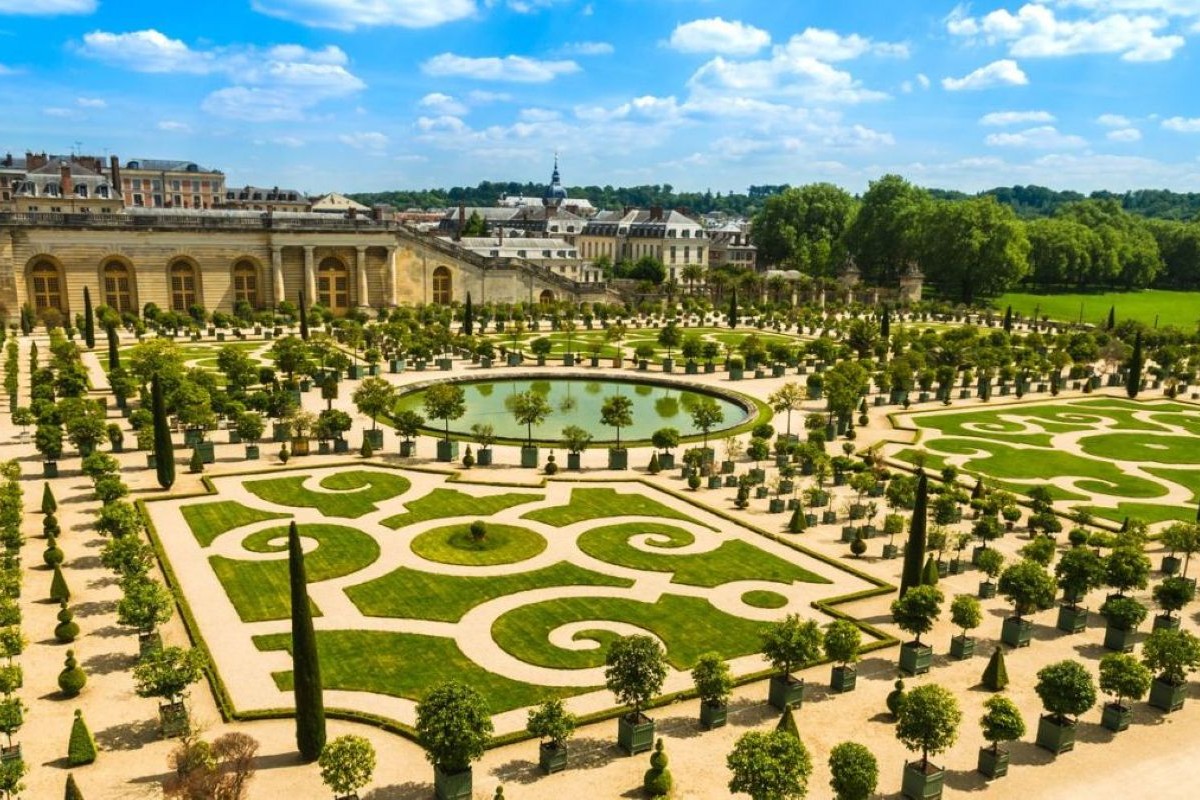
While the formal gardens closest to the Palace emphasize symmetry and control, the park beyond opens into a more expansive landscape. Together, they reveal how outdoor space at Versailles was used both for spectacle and for leisure, depending on where you chose to wander.
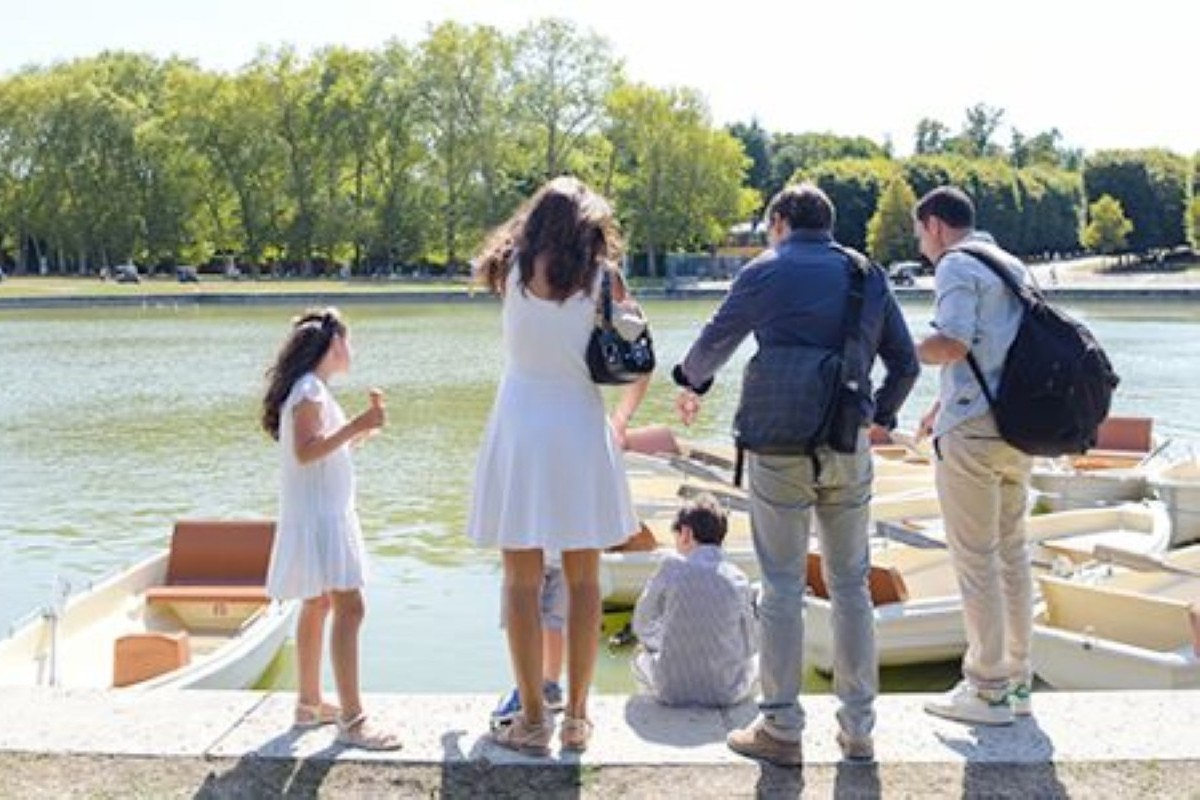
1. Row a boat on the Grand Canal
The Grand Canal stretches over a kilometer through the park and offers one of the most relaxed ways to experience Versailles. Rowboats can be rented seasonally, allowing visitors to step away from the structured paths and see the estate from a different angle. The experience is simple and unhurried, and it gives a sense of the scale of the grounds that is hard to grasp on foot alone.
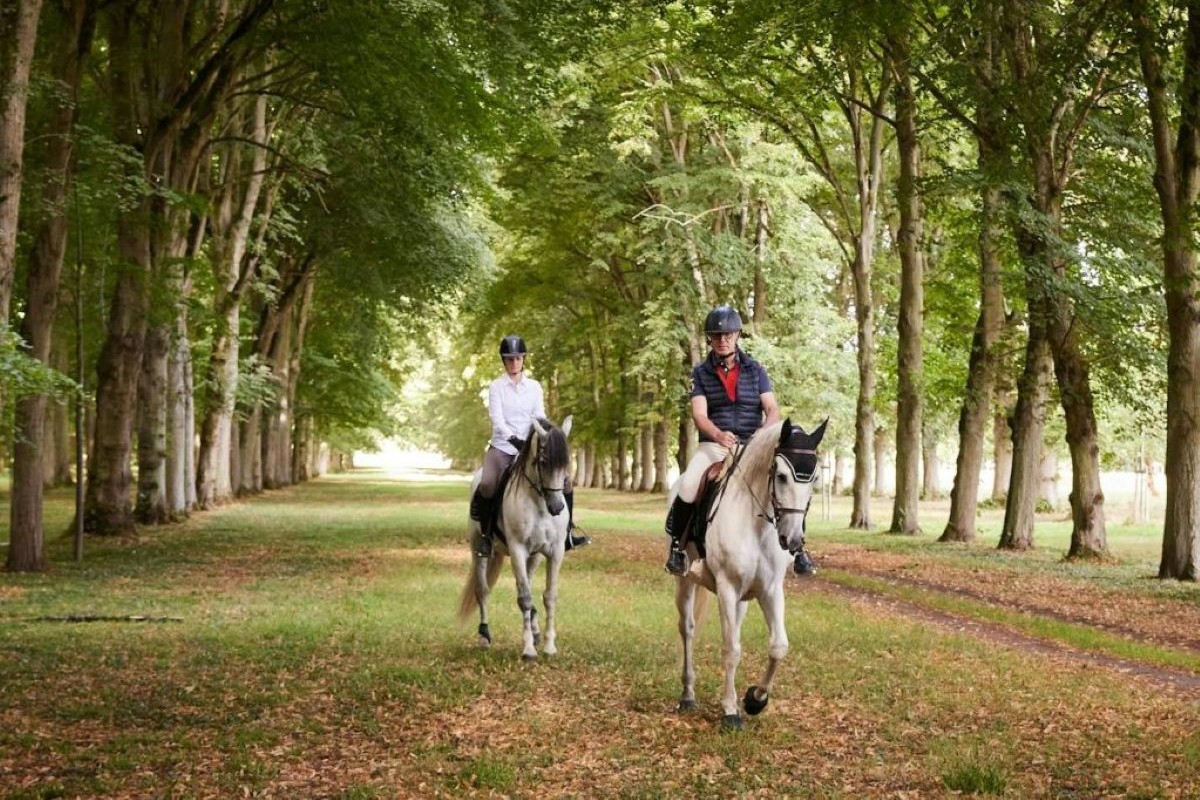
2. Ride a Horse in the Park of Versailles
Horseback riding in the park reflects a long-standing tradition at Versailles, where riding was once an essential part of aristocratic life. Today, guided rides through places like Horse in the City are available in designated areas of the park and surrounding forests. This activity is best suited to visitors looking to explore beyond the formal gardens and enjoy a quieter, more natural setting.
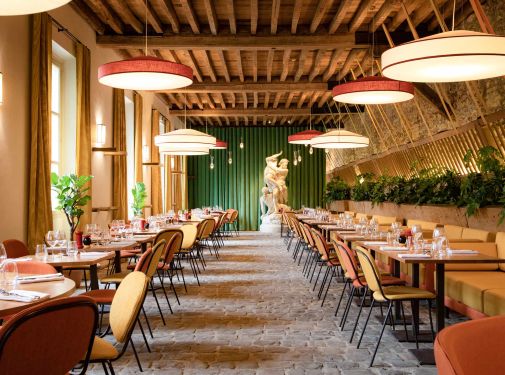
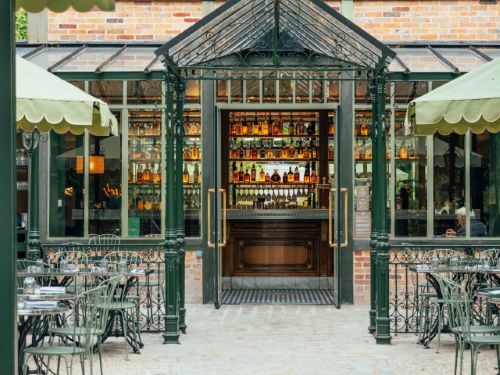
3. Restaurants in the Gardens of Versailles
Several dining options are located within the gardens and park, making it easy to take a break without returning to the town. La Petite Venise and La Flottille, both near the Grand Canal, are our favorites, known for their relaxed setting. Seasonal cafés and takeaway stands are also scattered throughout the gardens, offering light meals and refreshments. These options are practical rather than elaborate, and they fit naturally into a full-day tour at Versailles.
Things to do in the Domaine de Trianon
The Domaine de Trianon offers a striking contrast to the formality of the main Palace. Set slightly apart from the Château, this area was conceived as a retreat from court life, where members of the royal family could step away from ceremony and rigid etiquette. It is most closely associated with the Estate of Marie-Antoinette, who used the domain as a more personal and informal setting, removed from the constant scrutiny of Versailles.
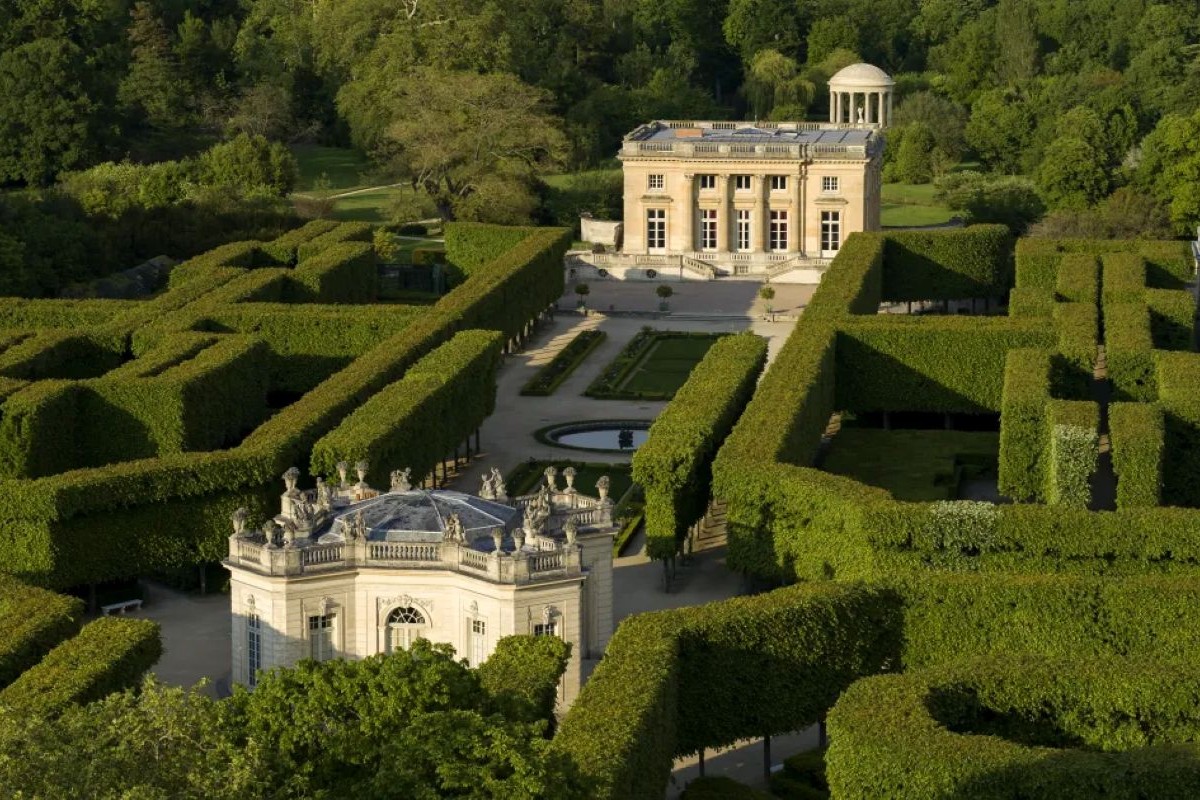
1. Visit The Trianons
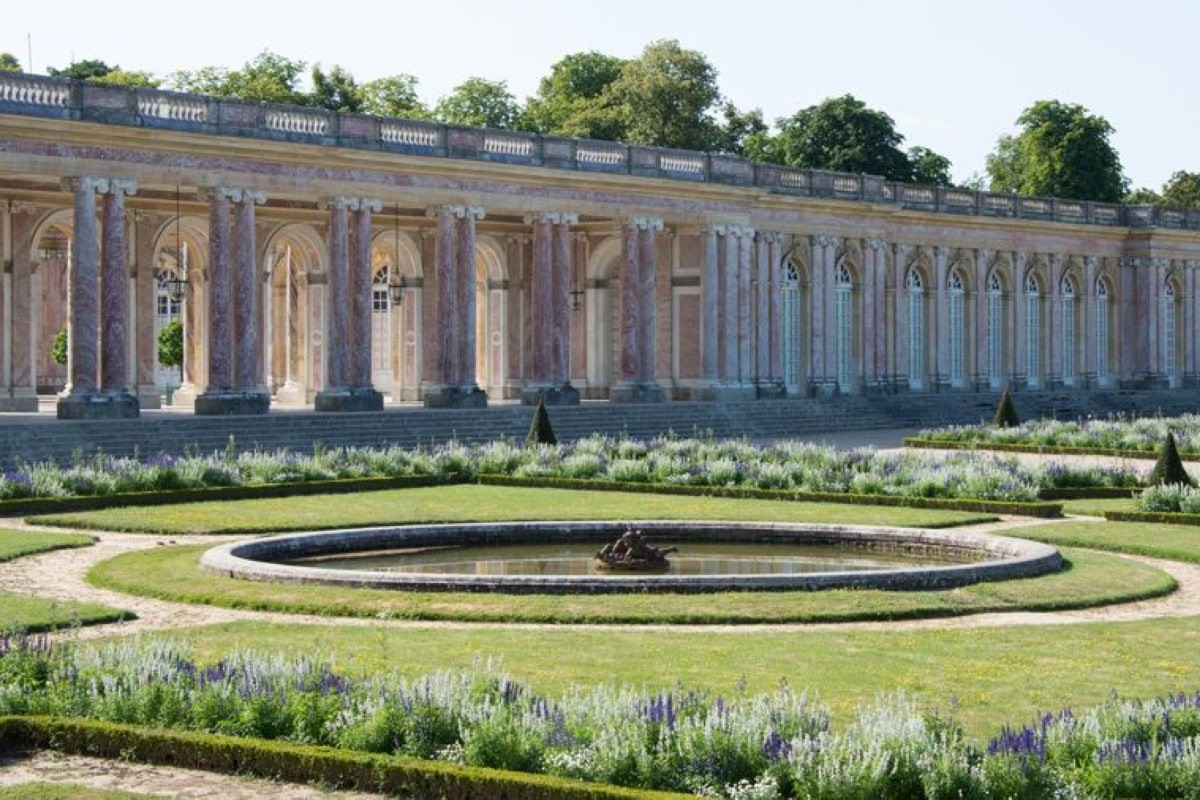
The Grand Trianon was built under Louis XIV as a private residence where the King could escape the pressures of court life while remaining close to Versailles. Its light-filled galleries, marble colonnades, and direct connection to the gardens give it a more relaxed atmosphere than the main Palace.
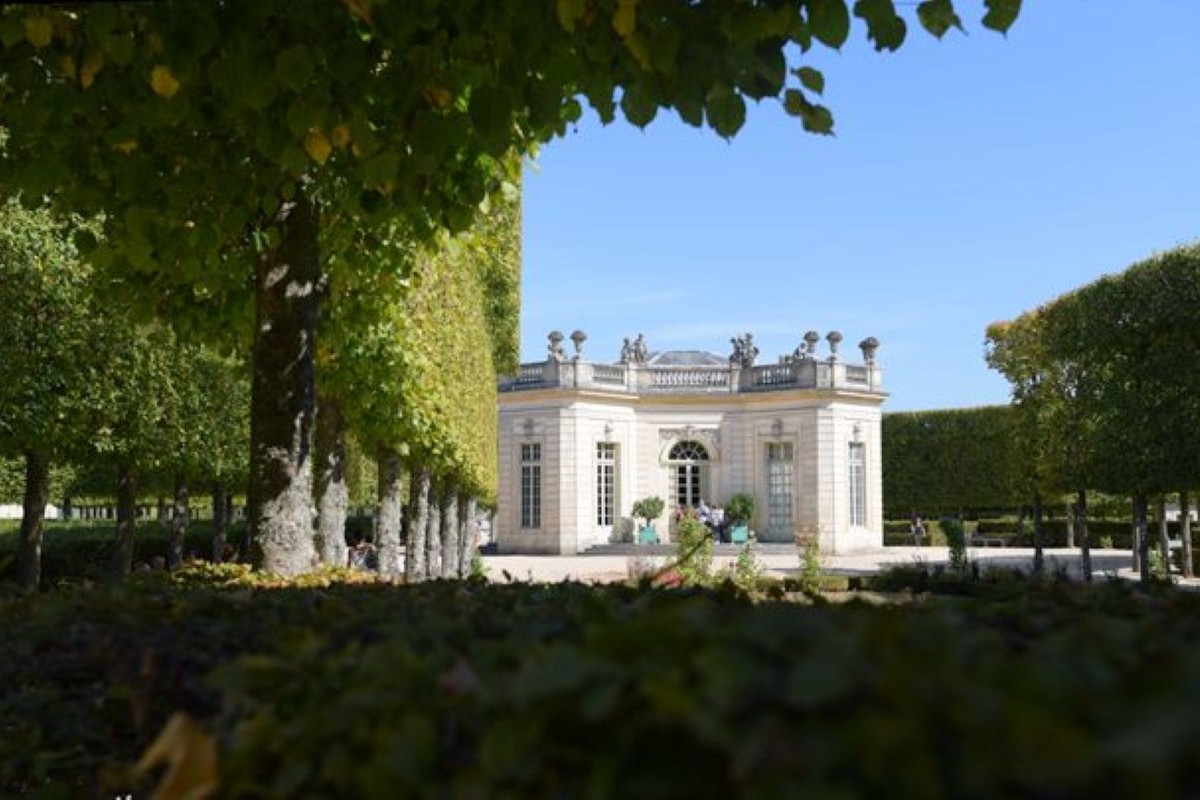
The Petit Trianon, completed later under Louis XV, became closely linked to Marie-Antoinette. Smaller in scale and more restrained in decoration, it was designed for comfort rather than display. Here, the Queen entertained a limited circle of guests and enjoyed a degree of independence that was impossible within the Palace itself.
2. Visit Marie Antoinette's Hamlet
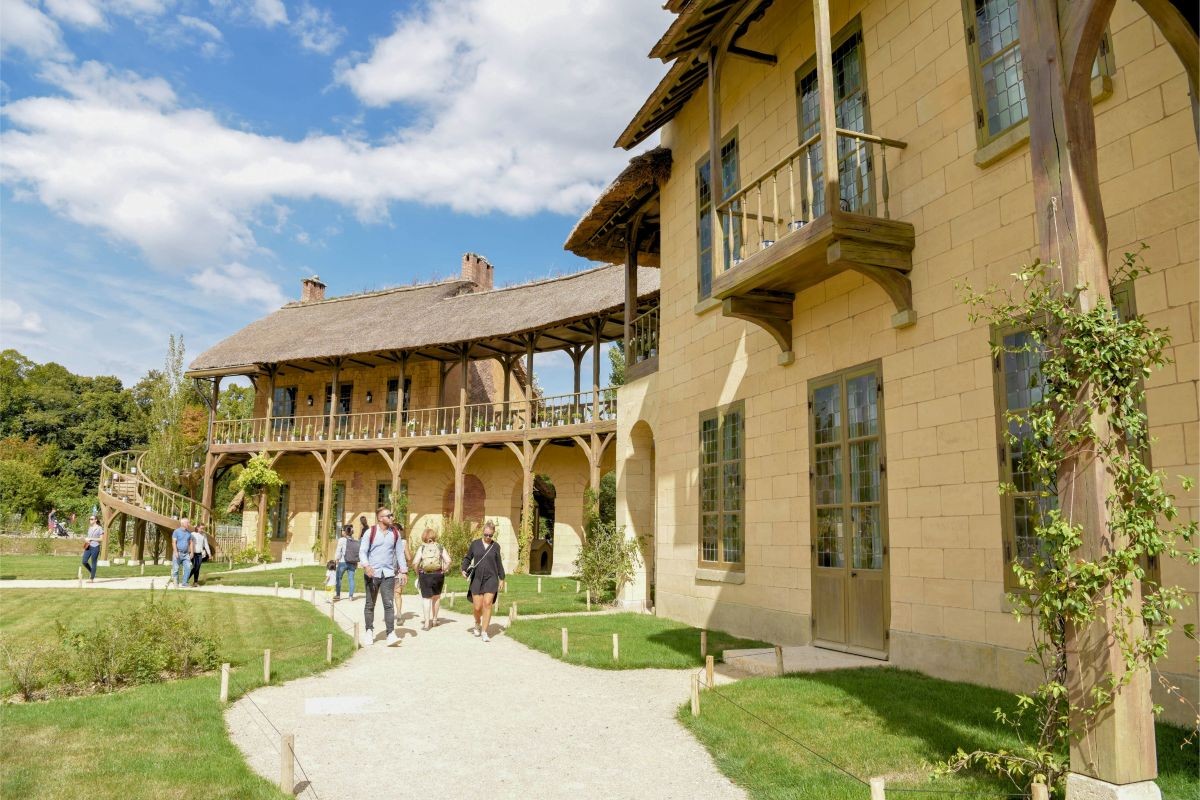
Built in the 1780s, the Hamlet was conceived as an idealized rural village rather than a working farm. Cottages, gardens, and small waterways were arranged to evoke a simplified vision of country life, offering Marie-Antoinette a place to retreat from court expectations. Today, the Hamlet is one of the most evocative parts of Versailles, valued less for its architecture than for what it reveals about the Queen’s desire for privacy and escape.
3. Restaurants in the Domaine de Trianon
Dining options within the Domaine de Trianon are limited and more discreet than those near the Palace. There is another Angelina location at the Petit Trianon As with the rest of the domain, dining here emphasizes calm and seclusion rather than spectacle.
Things to do at the Royal Stables at Versailles
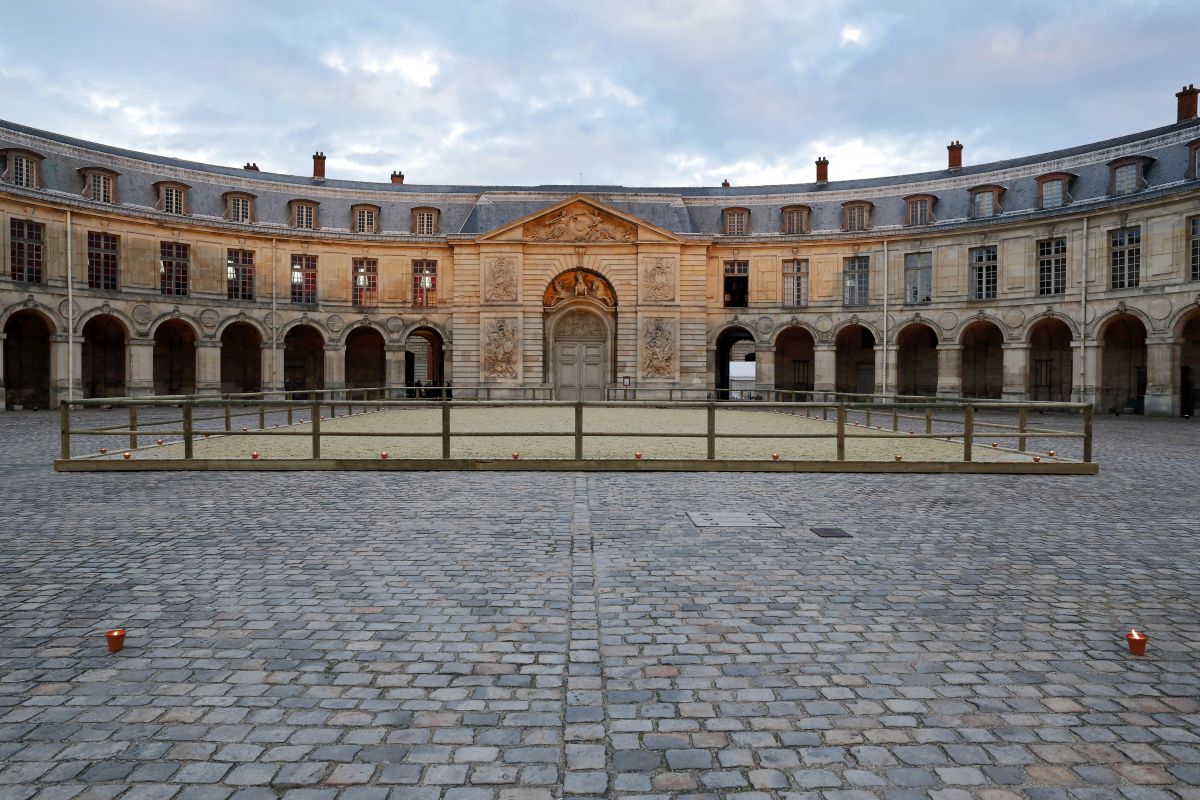
The Royal Stables were an essential part of life at Versailles, reflecting the importance of horses in both daily court routines and royal ceremony. Built under Louis XIV, the Great and Small Stables housed hundreds of horses and employed riders, grooms, and craftsmen whose work supported everything from transportation to military display. Even today, the stables remain active and continue to play a role in preserving classical French equestrian traditions. Visitors can explore the stables independently or as part of a guided tour, depending on how much context they wish to have during the visit.
1. Watch their annual show
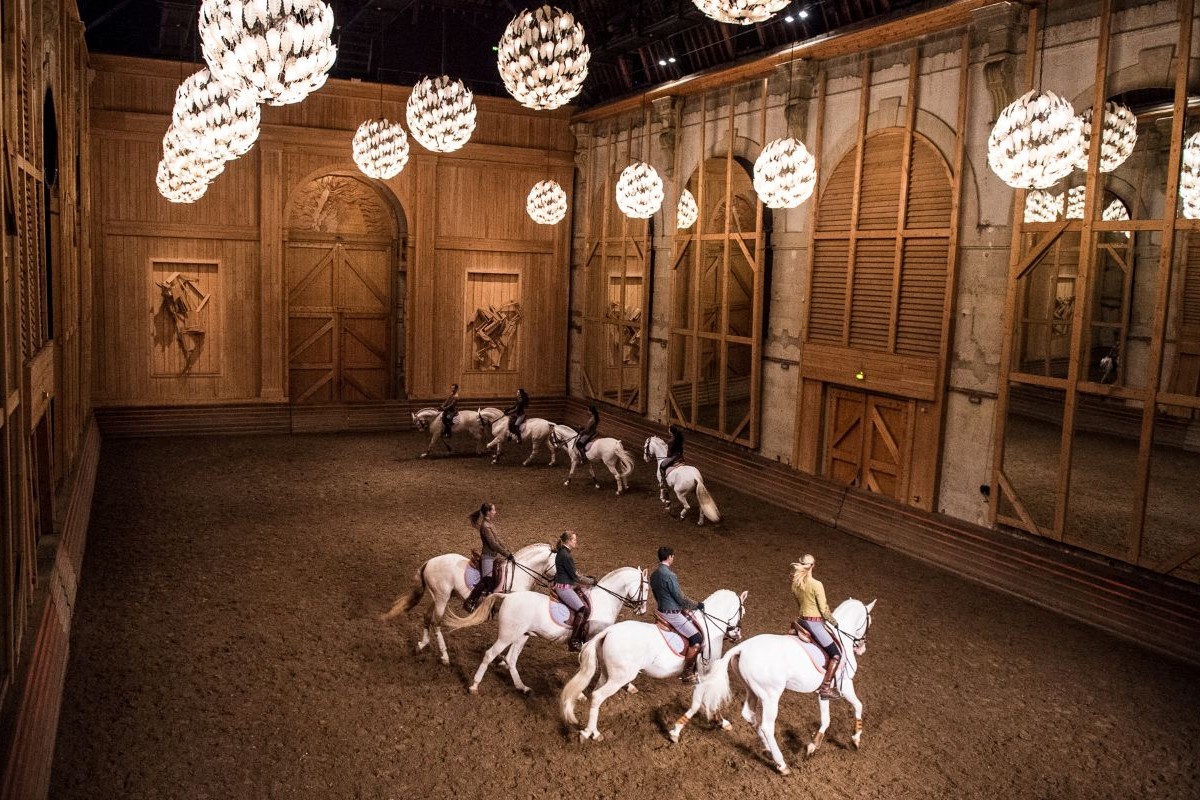
Throughout the year, and particularly during special events, the Royal Stables host equestrian performances that showcase traditional horsemanship. These shows draw on centuries-old riding techniques developed at Versailles, combining precision, discipline, and controlled movement rather than spectacle alone. Attending a performance offers a different perspective on the estate, one that highlights how closely royal life was tied to horses, training, and ceremonial display.
Markets at Versailles
1. Food Markets
Versailles is home to some of the most respected food markets in the Île-de-France, and they play an important role in daily life beyond the Palace. Markets here are not designed for tourists alone but are part of the weekly routine for locals, which gives them a lively, authentic atmosphere.
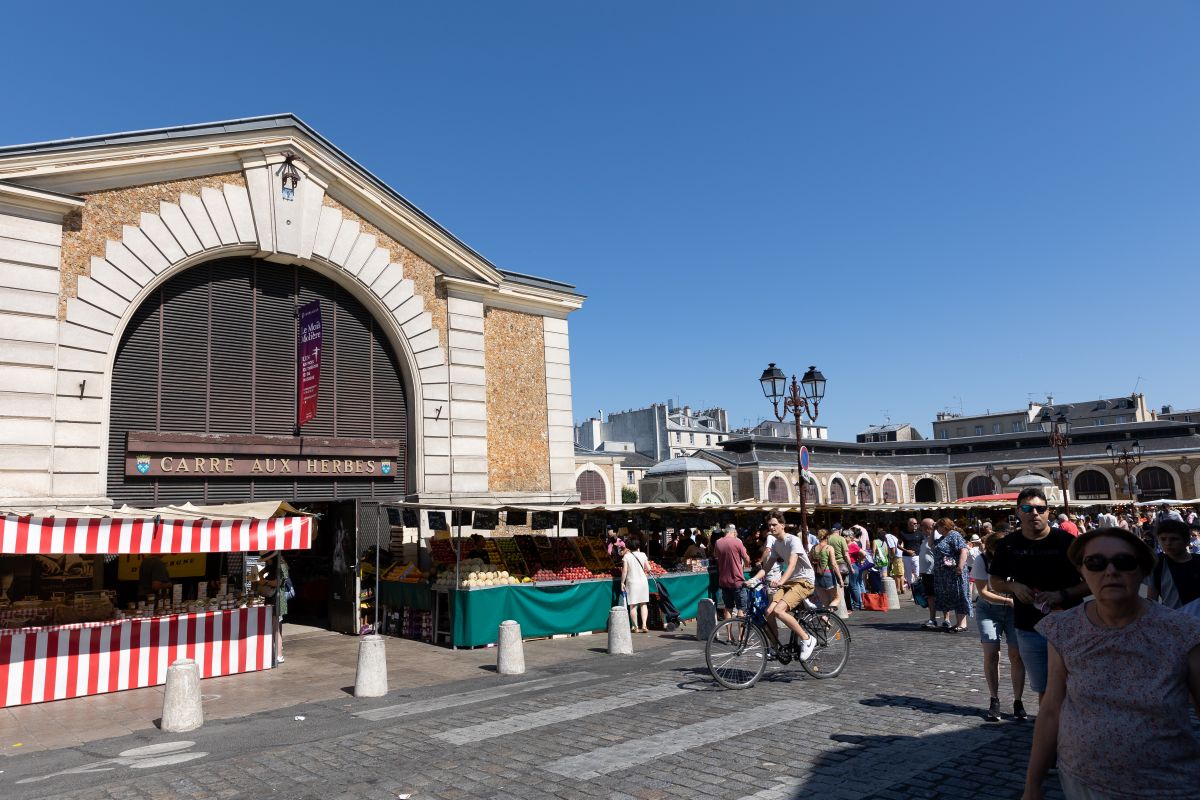
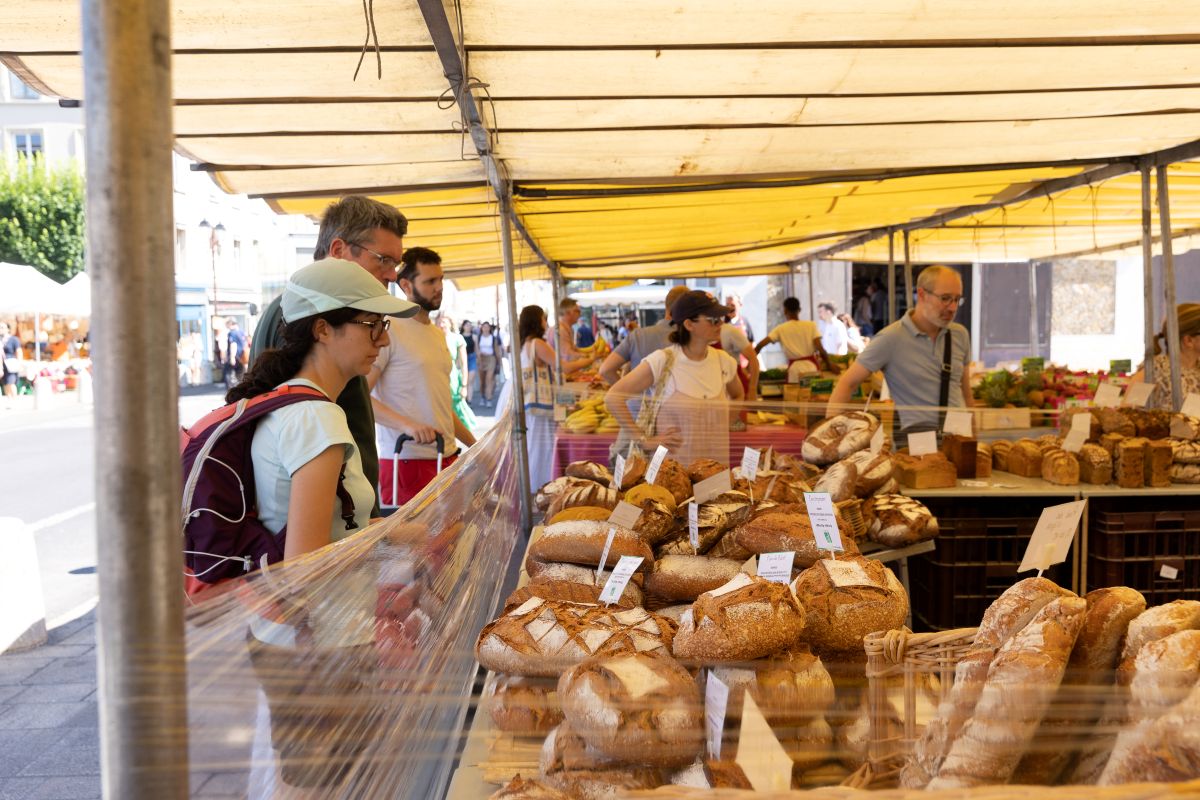
The Notre-Dame Market is the best known and dates back to the 17th century. Spread across several streets and a covered hall, it brings together produce stalls, fishmongers, cheesemongers, bakers, and specialty food vendors. Shopping here offers a glimpse into everyday French habits, from selecting seasonal fruits and vegetables to discussing cuts of meat or varieties of cheese.
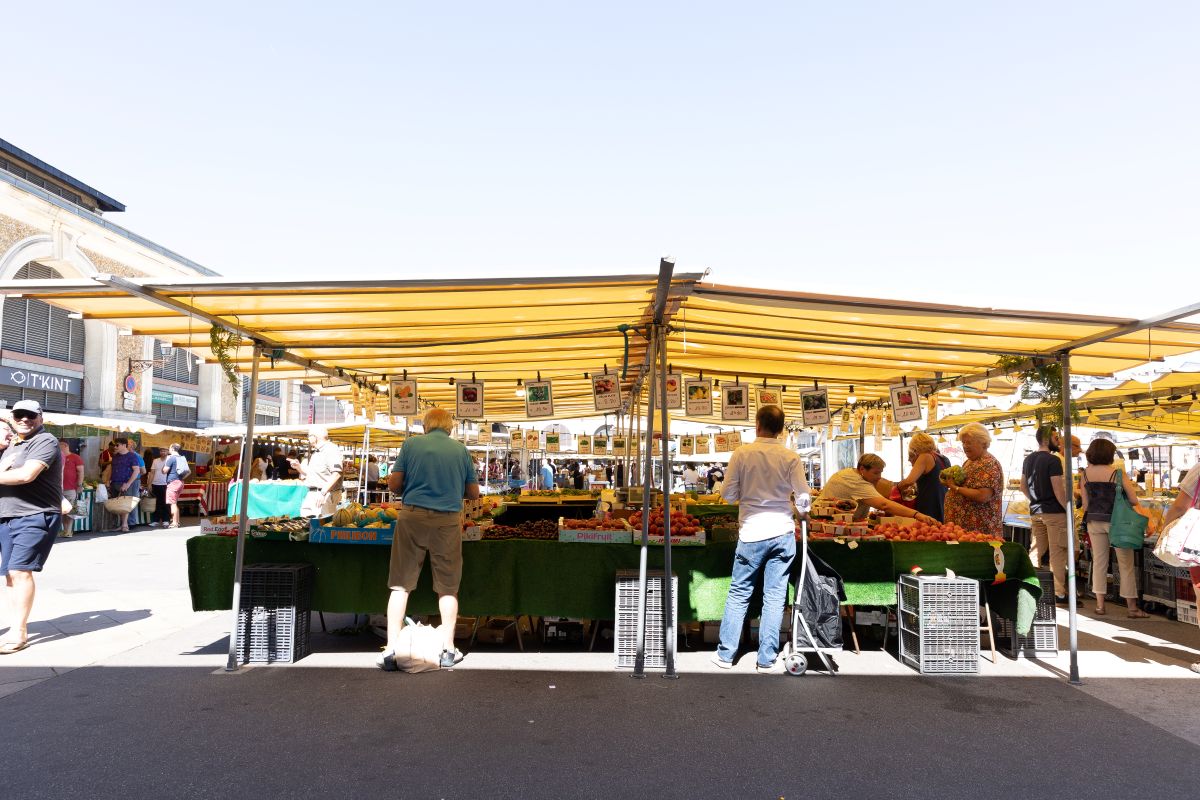
For visitors, the market is also an easy introduction to French gourmet culture without the formality of a restaurant. Whether you stop for fresh bread, pastries, or prepared foods, it is a practical and enjoyable way to experience Versailles as residents do, rather than simply passing through as a visitor.
2. Non-food markets
Beyond food, Versailles also hosts a variety of non-food markets that reflect the town’s taste for craftsmanship, heritage, and everyday practicality. These markets tend to be smaller and more occasional than the main food markets, but they offer an interesting complement to the local shopping scene.
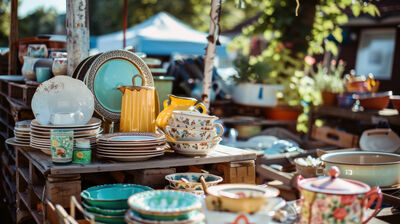
Antique and flea markets appear regularly in different parts of the town, attracting both residents and visitors looking for furniture, books, prints, tableware, and decorative objects. The selection is often eclectic rather than curated, which makes browsing part of the appeal. You are more likely to come across everyday French antiques than museum pieces, but that is precisely what gives these markets their charm.
Seasonal fairs and temporary markets are also held throughout the year, often tied to holidays or local events. These may include craft stalls, home goods, clothing, and small accessories, offering a glimpse into contemporary French market culture alongside its more traditional forms!
3. Culinary Experiences in and Around Versailles
For travelers interested in French gastronomy beyond restaurants and markets, Versailles and the surrounding Yvelines offer a small but genuine range of hands-on culinary experiences. Rather than large, tourism-oriented cooking schools, these experiences take the form of small workshops and tastings centered on technique, sourcing, and local traditions.
Within Versailles, experiences are often arranged through independent chefs or culinary professionals working on a private or small-group basis. These may include guided visits to the Notre-Dame Market followed by a cooking session in a private kitchen, or themed workshops centered on classic French dishes and pastry. Availability varies, and advance booking is essential, but the appeal lies precisely in their discreet and personalized format.
In the wider Yvelines area, food-focused visits often take the form of tastings and producer visits rather than formal classes. These experiences provide a useful counterpoint to Versailles itself, shifting the focus from court culture to regional know-how.
La Bouche du Roi
La Bouche du Roi is a small vineyard located in the Yvelines, near Versailles, and represents one of the few active wine estates in the area. Created as part of a broader effort to revive historic vineyards around Paris, the estate produces limited quantities of wine using traditional methods.
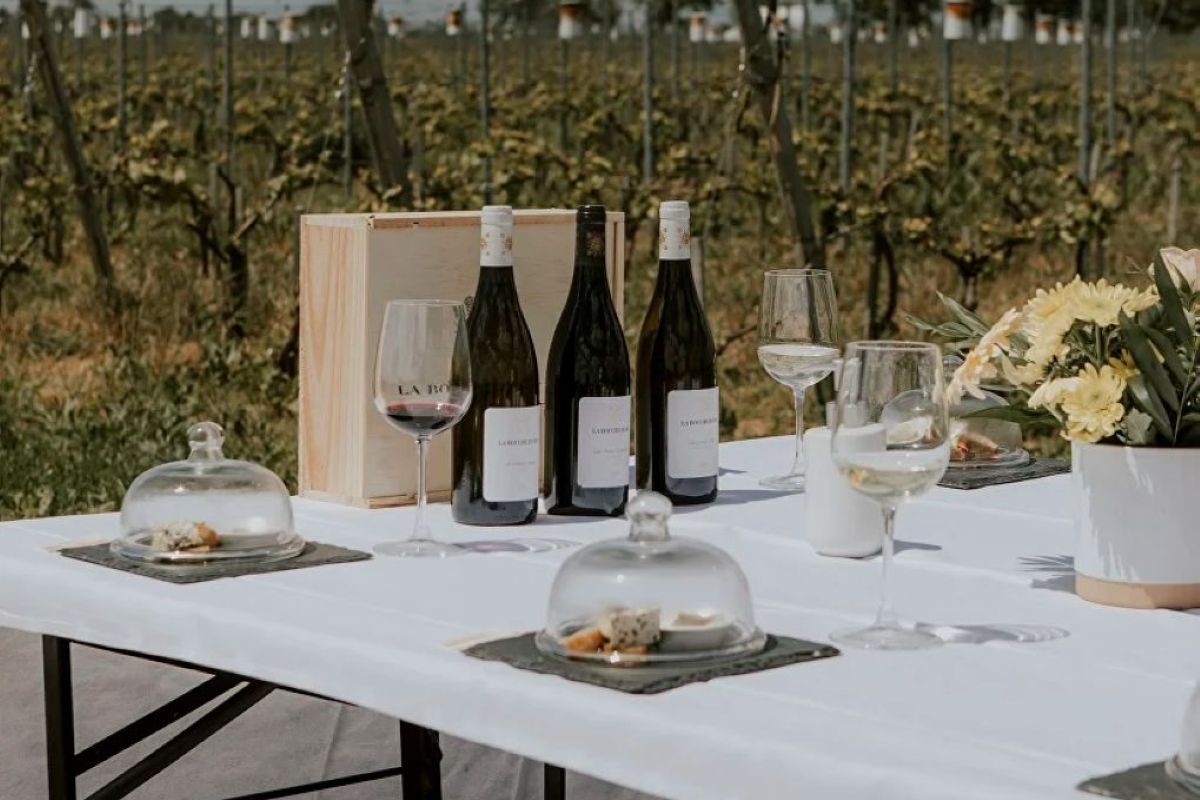
Visits are organized by appointment and typically include a walk through the vines, an explanation of the project and production process, and a guided tasting. The experience is educational rather than touristic and appeals to visitors curious about lesser-known expressions of French terroir within easy reach of Versailles.
Things to do in Versailles, France: Shopping
1. Antique Stores
Versailles has long attracted antique dealers, in part because of its close association with royal history and traditional craftsmanship. Many shops focus on 18th and 19th century furniture, decorative objects, engravings, and small works of art rather than large museum pieces. Browsing here feels closer to exploring a well-curated interior than visiting a formal gallery.
One of the most concentrated areas for antiquaires is the Quartier des Antiquaires, located just steps from the Palace near the Carré aux Antiquaires. This small cluster of specialist dealers brings together galleries focused on French furniture, mirrors, paintings, bronzes, and decorative arts. The atmosphere is discreet and professional, appealing to collectors as well as informed visitors who enjoy taking time to browse and ask questions.
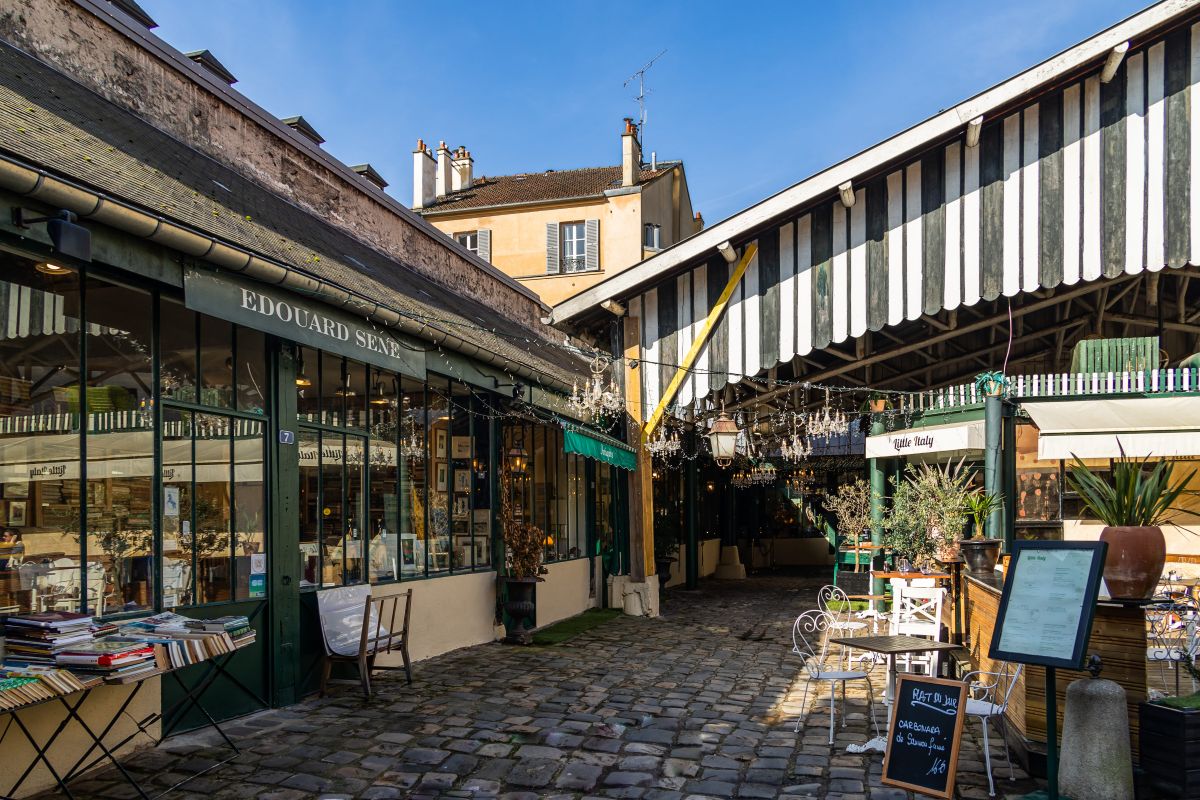
Beyond this core area, several reputable antique dealers are also found around the Notre-Dame district and near the Saint-Louis quarter. Streets such as rue de la Paroisse and rue de Satory regularly host established antiquaires specializing in furniture, chandeliers, silverware, and royal-era prints. These shops tend to welcome serious browsing rather than quick souvenir shopping.
For visitors interested in authenticity, Versailles is a good place to encounter everyday French antiques with documented provenance, often at more measured prices than in Paris’s larger antique districts.
2. Hobby Stores and Boutiques in Versailles
Versailles is particularly well suited to visitors who appreciate traditional craftsmanship and objects made to last. Rather than broad shopping streets, the town offers a small number of distinctive boutiques that reflect its historical identity and attention to detail.
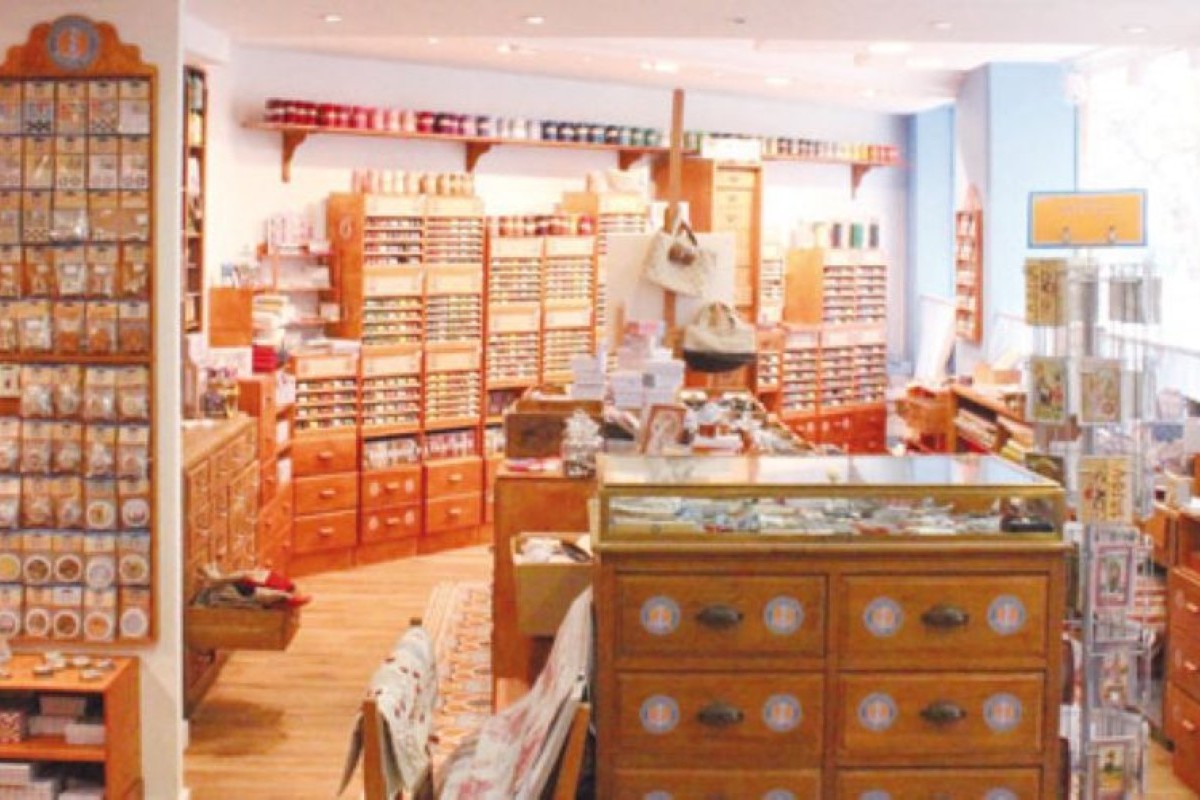
La Maison Sajou is one of the most emblematic addresses. Specializing in embroidery, haberdashery, and sewing tools, the shop draws heavily on 19th-century French designs, with carefully reproduced labels, boxes, and patterns. Even for those who do not sew, it is worth visiting for its sense of continuity with France’s decorative arts tradition.
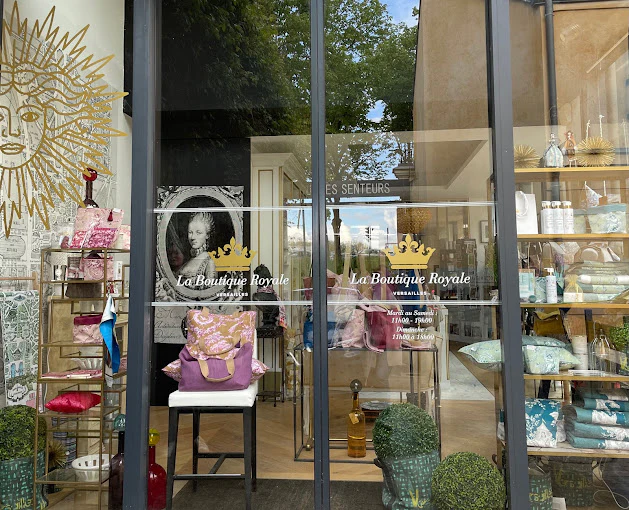
A short walk away, La Savonnerie Royale focuses on traditional French soaps produced using historic methods. The brand often works with fragrances inspired by royal residences and French heritage, making it a fitting stop in Versailles. The shop emphasizes quality ingredients and simple formulations rather than novelty.
You visit their flagship store at 8 Rue de la Chancellerie, 78000 Versailles, or test out their products at the Chateau de Versailles!
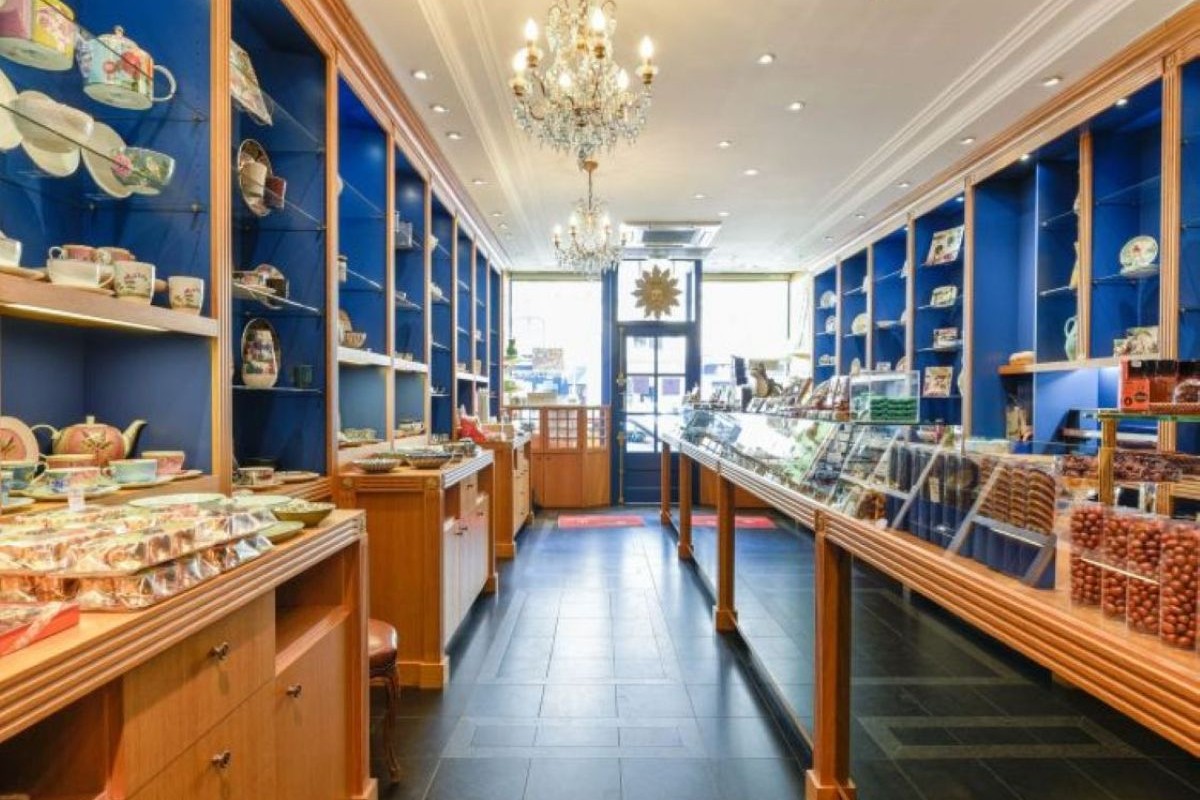
Au Roi Soleil is one of Versailles’ best-known confectioners and a favorite stop for visitors with a sweet tooth. The shop specializes in traditional French candies, including fruit pastilles, caramels, nougats, and other classic sweets presented in elegant packaging inspired by the royal era. It is less a novelty shop than a celebration of French confectionery tradition, making it an easy and enjoyable stop while exploring the town center.
For a contemporary contrast, Capsule Market presents a curated selection of French and European designers, combining fashion, accessories, and lifestyle items. Its concept-store approach adds a modern layer to Versailles’ shopping scene without feeling out of place.
Together, these boutiques offer a focused and coherent shopping experience, centered on craftsmanship, heritage, and thoughtful design rather than mass production.
Other things to do in Versailles France
1. Churches in Versailles
Versailles is home to several historically significant churches that reflect the town’s development alongside the royal court. While less visited than the Palace, they offer valuable insight into religious life at Versailles and are often quieter, more contemplative places to explore.
The Cathedral of Saint-Louis, located in the Saint-Louis district, was built between 1742 and 1754 and today serves as the Cathedral of Versailles. Designed by Jacques Hardouin-Mansart de Sagonne, it is a fine example of French Baroque architecture, notable for its balanced proportions and restrained decoration. The cathedral played an important role in the religious life of the court and remains an active place of worship.
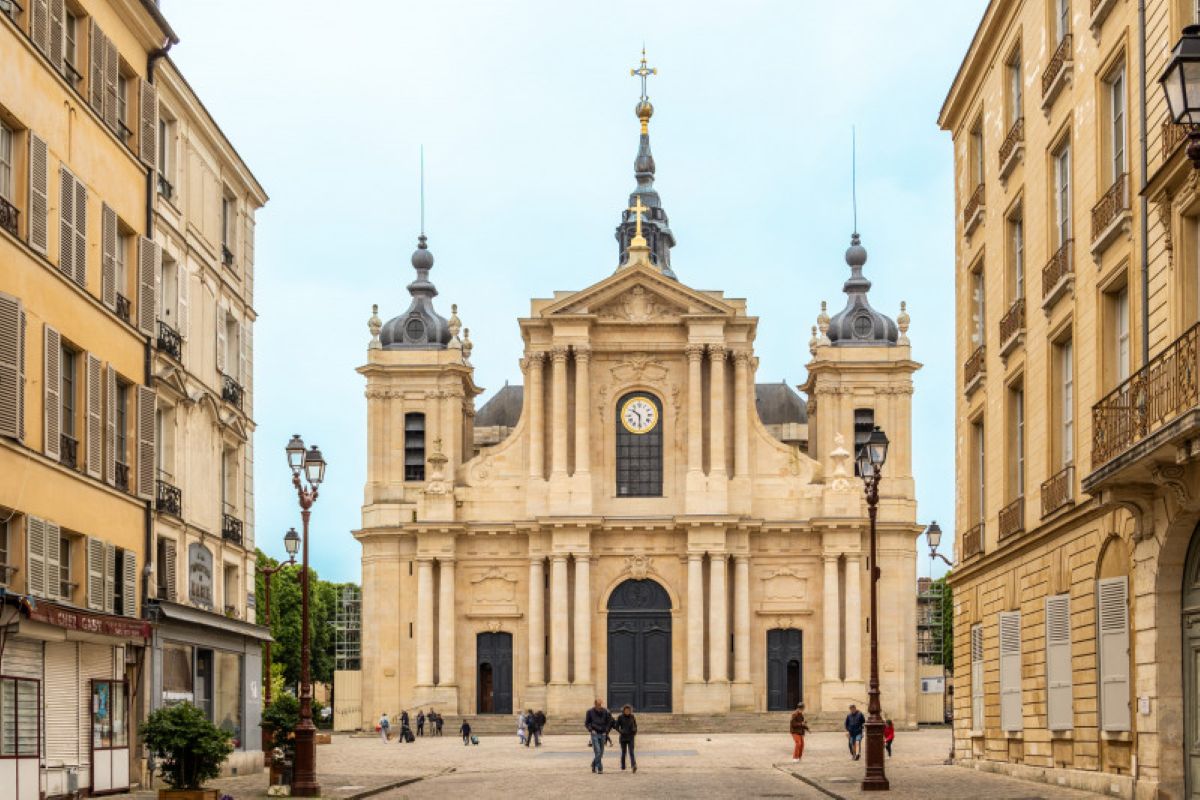
Église Notre-Dame de Versailles, in the Notre-Dame district, predates Saint-Louis and was completed in 1686 under the direction of Jules Hardouin-Mansart. It served as the royal parish church during the reign of Louis XIV and was closely tied to court ceremonies. Its location near the market makes it easy to include in a walk through the historic center.
Another place worth noting is the Chapelle de l’Hôpital Richaud, which recalls the charitable institutions that developed alongside the growing royal city. Together, these sites illustrate how religious, civic, and royal life were closely intertwined in Versailles.
2. Gardens in Versailles
Looking for something to do outside in Versailles, France? Beyond the formal grounds of the Château, Versailles is home to several gardens and green spaces that reveal a quieter, more local side of the town.
The Potager du Roi, or King’s Kitchen Garden, was created in the 1670s at the request of Louis XIV and designed by Jean-Baptiste de La Quintinie to supply the royal table. Still laid out according to its original plan, it remains a working garden today, known for its fruit trees, vegetable plots, and calm atmosphere. A short visit is enough to appreciate how practical innovation once supported life at court.
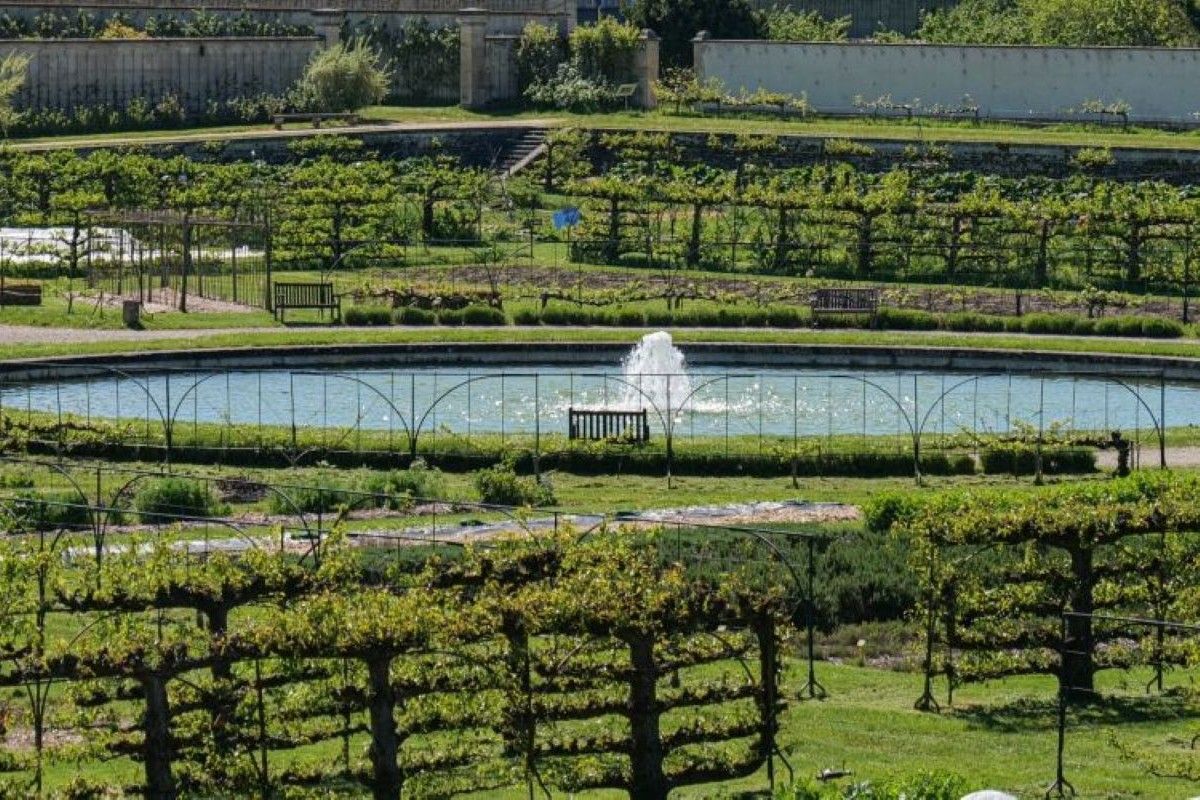
Other notable green spaces include the Jardin des Étangs Gobert, a contemporary park built on former royal reservoirs near the Saint-Louis district, and the Parc Balbi, a landscaped garden close to the Potager du Roi that offers shaded paths and views over the town. These gardens are well suited for a pause away from the crowds and are easily combined with a walk through Versailles’ historic neighborhoods.
3. Other Historic Sites in Versailles
Beyond the Palace itself, Versailles played a key role in the political and social upheavals that reshaped France at the end of the 18th century, leaving behind several discreet but historically significant sites. If you’ve run out of things to do at the chateau itself and are still searching for more history, look no further.
One of the most important is the Jeu de Paume, located in the Saint-Louis district. It was here, in 1789, that members of the Third Estate swore the famous Tennis Court Oath, marking a decisive moment in the French Revolution. Today, the building is preserved as a modest museum, allowing visitors to step into a space where modern French democracy took shape.
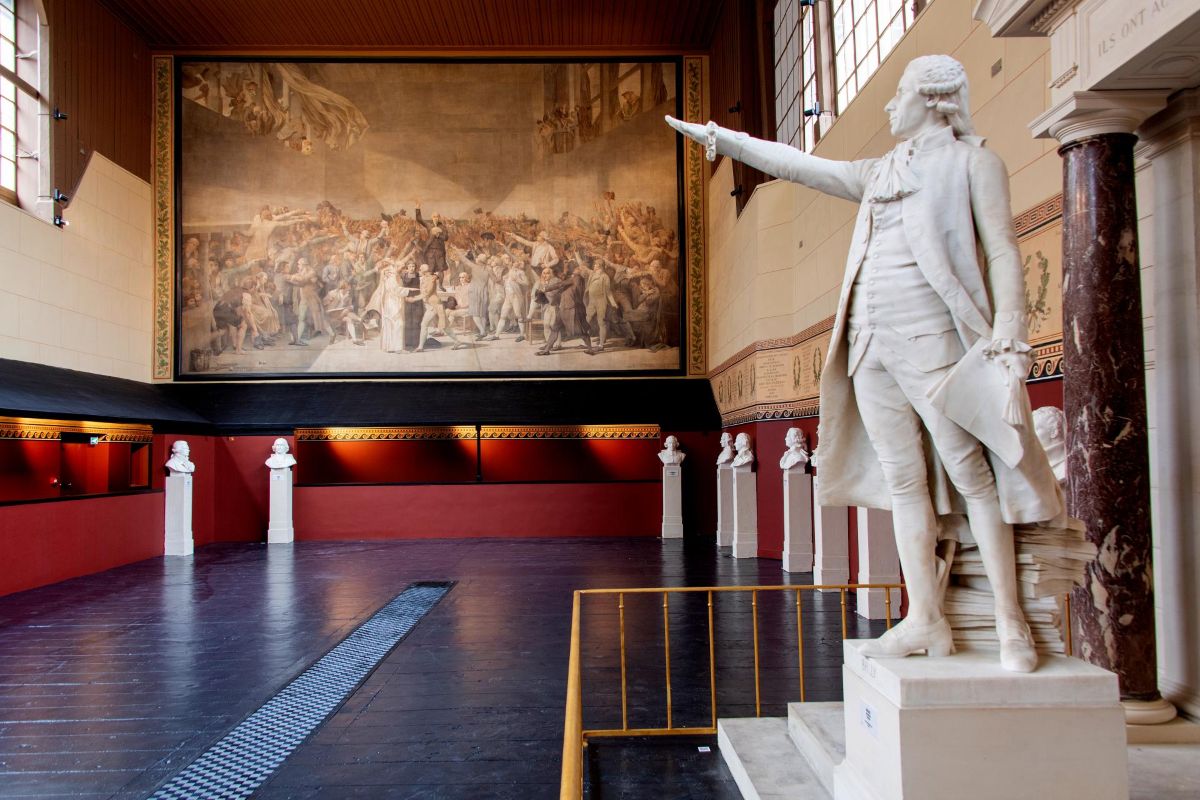
Nearby, the General Estates room recalls the gathering of the Estates-General, another pivotal event in revolutionary history. While less imposing than the Palace, these sites carry a strong symbolic weight and help place Versailles within the broader national narrative.
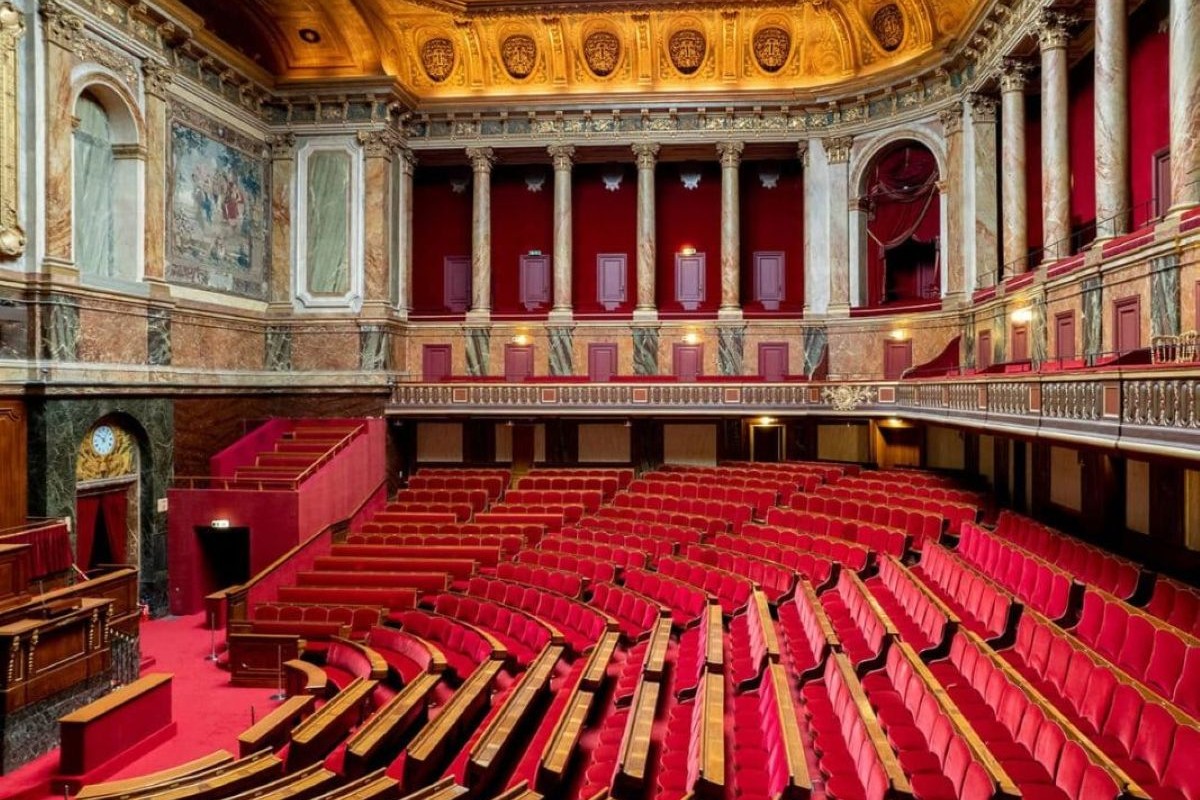
Other notable sites include the Montansier Theatre, one of the oldest continuously operating theatres in France, which played an important cultural role in Versailles from the late 18th century onward. The Lambinet Museum, housed in an 18th-century townhouse, offers insight into both the history of Versailles and everyday life before and after the Revolution. Nearby, the former Richaud Hospital recalls the social and charitable institutions that developed alongside the royal city and has since been repurposed as a cultural and residential site.
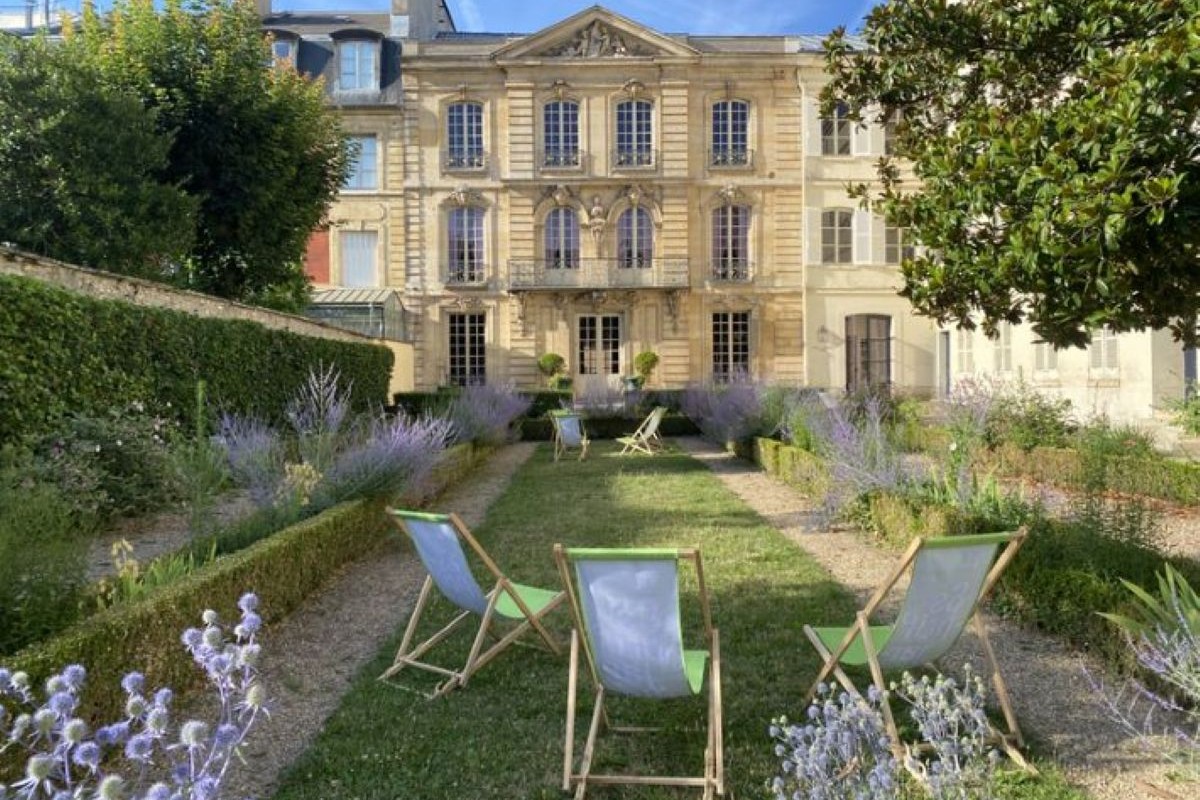
Together with historic squares and streets in the Saint-Louis and Notre-Dame districts that retain their 18th-century layout, these sites reveal a side of Versailles that feels closer to lived history, where major political and cultural moments unfolded in spaces that were also part of everyday civic life.
4. Spas in Versailles
Searching for something more relaxing to do in Versailles, France? After a day spent walking through the Palace, gardens, and historic neighborhoods, many visitors appreciate taking time to slow down. Versailles itself and the surrounding area offer several spa options, ranging from refined treatments to more contemporary wellness facilities.
Spa Guerlain Versailles is located within the town and reflects the brand’s long association with French elegance and expertise in skincare. Treatments here focus on facial and body rituals using Guerlain products, making it a good choice for visitors looking for a discreet, high-end experience without leaving Versailles.
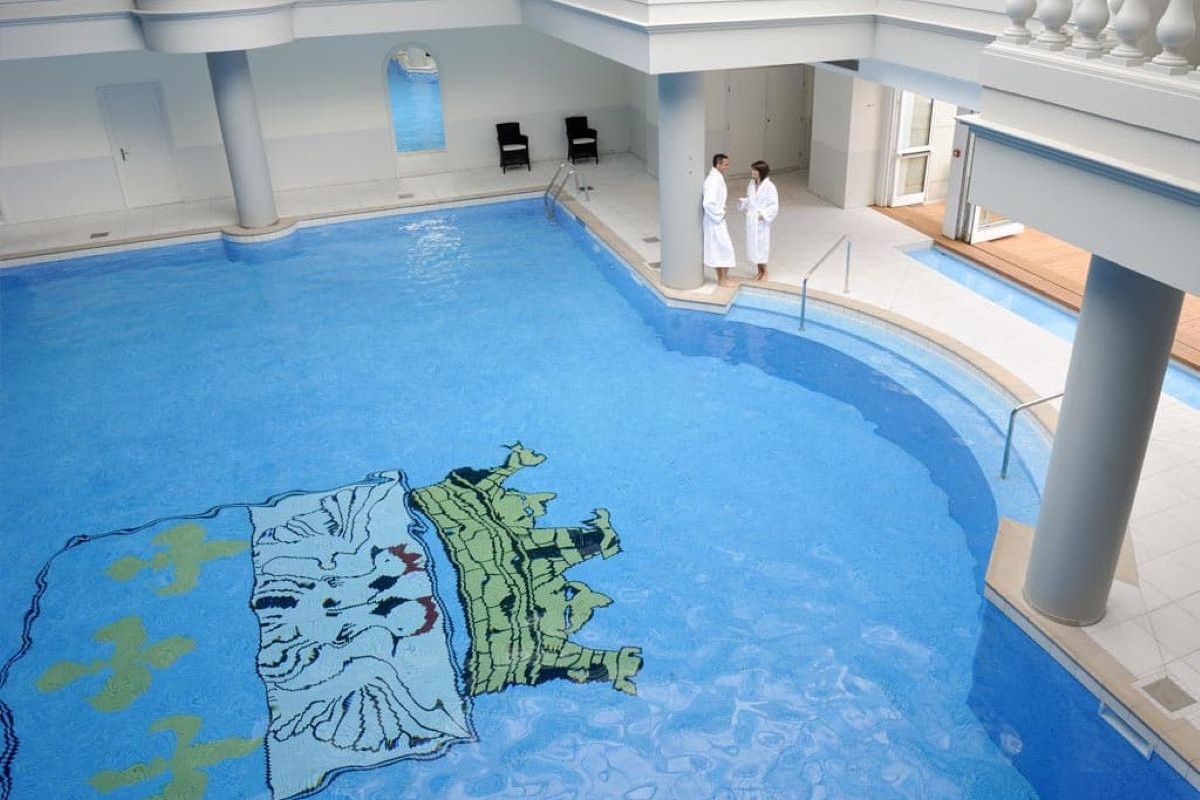
Just outside the town, Les Bains de Corot is set near the Etangs de Ville-d’Avray and offers a more immersive spa experience connected to nature. Housed in a historic setting once frequented by artists, the spa emphasizes calm surroundings, water-based treatments, and longer wellness rituals. It is often combined with a meal or half-day escape rather than a quick visit.
For a more modern approach to relaxation, Calicéo Versailles provides large thermal pools, saunas, and relaxation areas designed for extended stays. Located slightly outside the historic center, it appeals to visitors looking for an accessible and informal wellness experience, particularly after several days of sightseeing.
How to get to Versailles France
Getting to Versailles from Paris is manageable with a bit of planning, and the best option depends largely on how much time, comfort, and flexibility you want during your visit. You learn more about how to get to Versailles by train here.
FAQs About Things to do in Versailles France
Most visitors spend at least half a day at Versailles. To see the Château, gardens, and a few sites in town at a relaxed pace, a full day (or two) is recommended.
Yes! Exploring the neighborhoods, markets, gardens, and museums in town helps you understand Versailles as a living city, not just a royal monument.
Early morning or late afternoon visits tend to be calmer, especially during peak season from spring through summer.
Absolutely! Versailles is easy to combine with Paris and offers open spaces, cultural sites, and activities that appeal to a wide range of ages and interests.
Plan Your Visit to See Versailles Today!
Don’t just read about the Versailles—step inside it. Book your Versailles tour today and explore one of Versailles’ most iconic rooms. Your guided visit will bring history to life with expert insights, rich context, and stories you won’t find anywhere else. Secure your spot now and experience the real Versailles through the spaces that shaped the daily life of the french nobility.
Versailles Unmissables Private Tour
Learn more about the fascinating history and lavish royal lives with your expert guide!




2 Comments. Leave new
What are the best things to do in Versailles France with kids?
Hi Ashley,
There a lot of great things to do in Versailles France with kids! I would recommend exploring Marie Antoinette’s Hamlet, where they have real farm animals!