
After his transformation into the Sun King, Louis XIV carefully orchestrated life at Versailles. It was not simply a palace of marble, mirrors, and gardens. It was a living stage where thousands of courtiers gathered each day to observe, compete, and participate in the elaborate theater of royal power.
From the king’s awakening in the morning to the glittering balls in the Hall of Mirrors, every gesture, invitation, and ritual carried political meaning. Nobles did not merely reside at court. They lived within a system designed to attract their ambition, shape their behavior, and bind them to the monarch.
By transforming everyday moments into public ceremonies and turning proximity to the king into the most coveted privilege in France, Louis XIV created a court unlike any other in Europe. Let us step inside life with Louis XIV at Versailles, where etiquette was power, spectacle was strategy, and daily life itself became the instrument of absolute monarchy.
To learn more about why Louis XIV was called the Sun King, check out our other article.
Table of Contents
Court Life with Louis XIV at Versailles
Beyond its architecture and gardens, the real genius of how Louis XIV operated at Versailles was how the king organized court life. Versailles was designed not only to impress, but also to influence the behavior of the nobility.
Rather than ruling through fear alone, Louis XIV created a world where nobles wanted to be close to him. The palace did not rely on walls or chains to control the nobility. Instead, prestige, honor, and access to the king became the most valuable currency at court.
Versailles therefore functioned as a kind of social stage. Everyone was watching, everyone was competing, and the king was always at the center.
The Daily Life of Louis XIV at Versailles: The Lever and the Coucher
The best examples of these mind games are the daily rituals that the king orchestrated carefully, such as the king’s daily awakening (lever) and bedtime ritual (coucher). These private moments became carefully staged public ceremonies attended by nobles ranked with meticulous precision according to status.
In practical terms, each ritual unfolded in carefully codified stages. For the lever, a small group of privileged courtiers, known as the petit lever, were admitted first, witnessing the king awaken as his valet and first physician approached the bed. Gradually, additional nobles entered according to strict hierarchy. Specific individuals were granted the honor of presenting the royal shirt, holding the mirror, or fastening a garter. The ceremony concluded with prayers and the king’s formal departure to Mass. The coucher reversed the process in the evening: access narrowed again as the king prepared for bed, each gesture observed, ranked, and remembered.
These rituals were not spontaneous moments of court life. They were regulated sequences in which status was publicly confirmed and royal supremacy quietly reaffirmed.
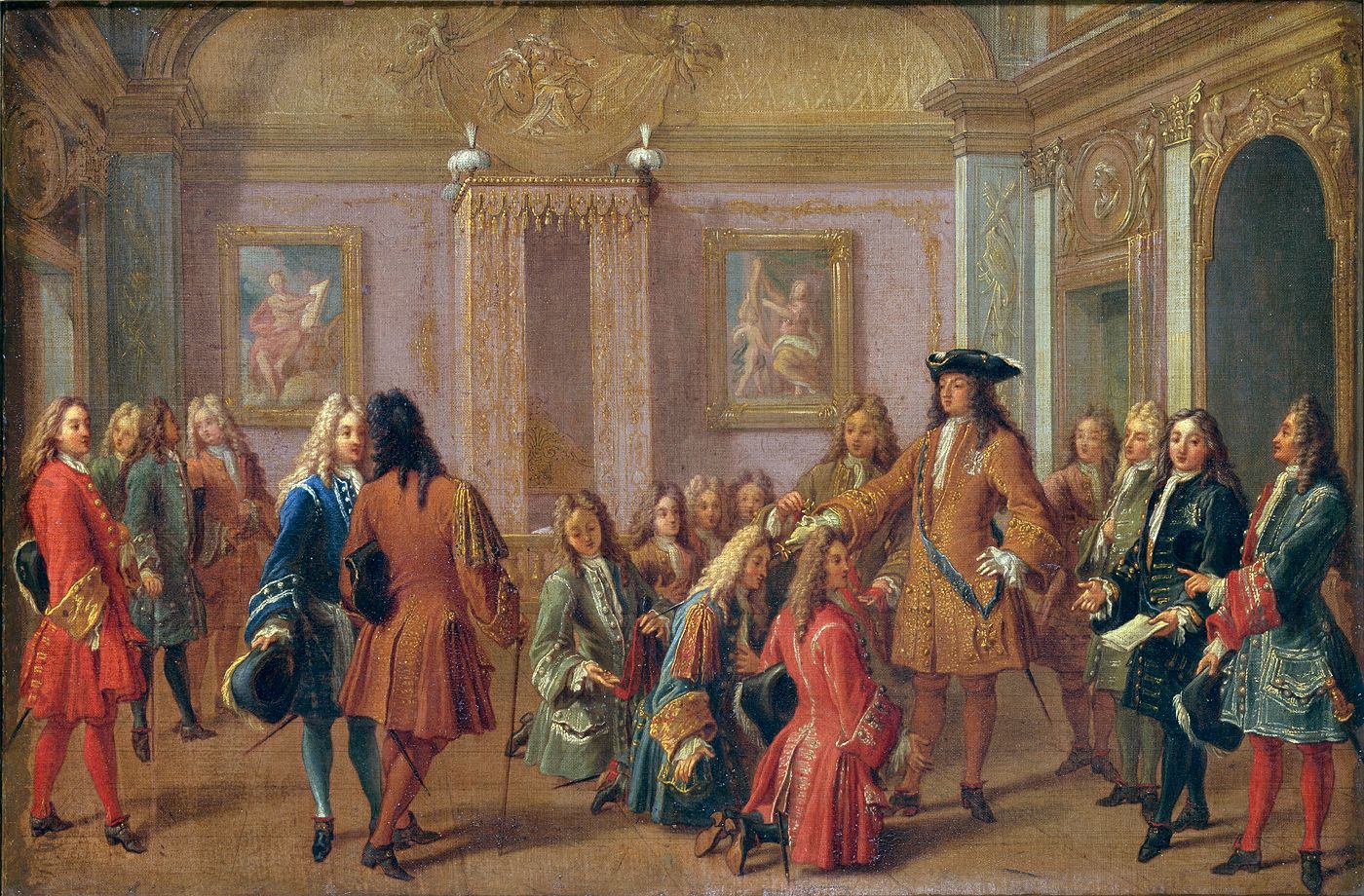
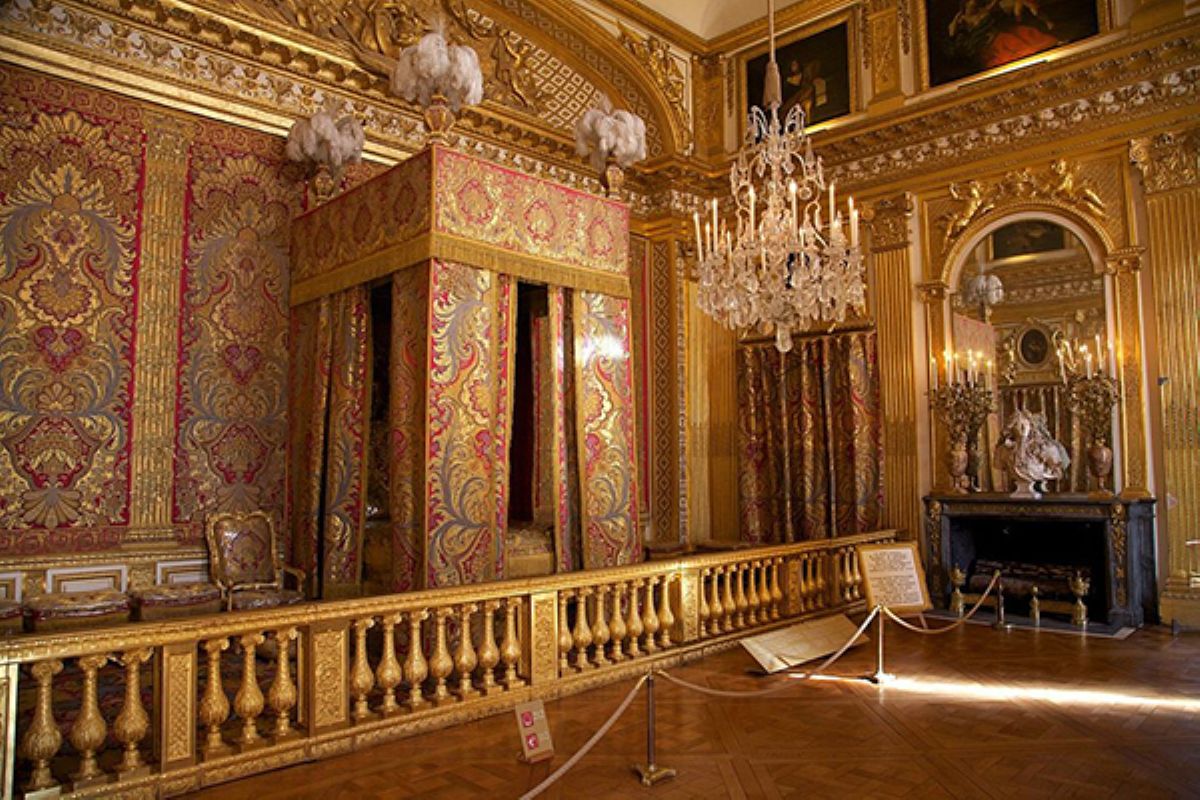
To modern eyes, competing for the honor of handing the king his shirt may seem trivial, even absurd. Yet, this was calculated political strategy. By transforming the most intimate acts of daily life into rare privileges, Louis XIV redirected aristocratic ambition away from provincial power and toward ritual proximity. Access became influence and loyalty was measured in attendance. Power itself turned theatrical and every noble sought a part in the king’s daily performance.
Luxury, Debt, and Engineered Dependence at Versailles
If nobles wanted to be present for such rituals, they had to live at court for extended periods, but life at Versailles was extraordinarily expensive. Attendance at balls, masked fêtes, gambling evenings, theatrical premieres, hunting parties, and seasonal celebrations was not optional as it was essential to visibility before the king and the key to gaining favor. To appear their best in the Hall of Mirrors for a royal ball, a noble needed the latest Parisian fashion, embroidered silk coats, jewels, wigs, and an entourage that reflected appropriate rank. Image was everything.
Imagine hundreds of candles reflecting endlessly in the mirrors, silk coats shimmering, musicians playing, and nobles quietly watching the king’s every movement.
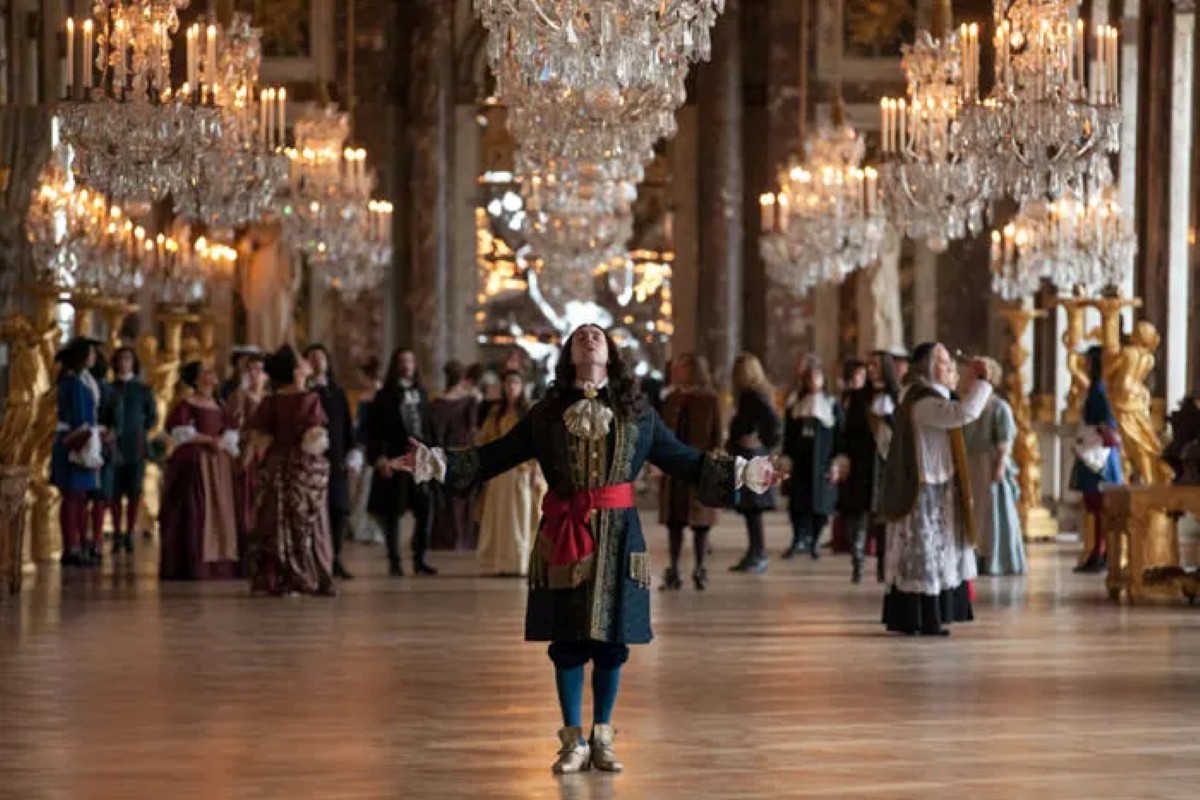
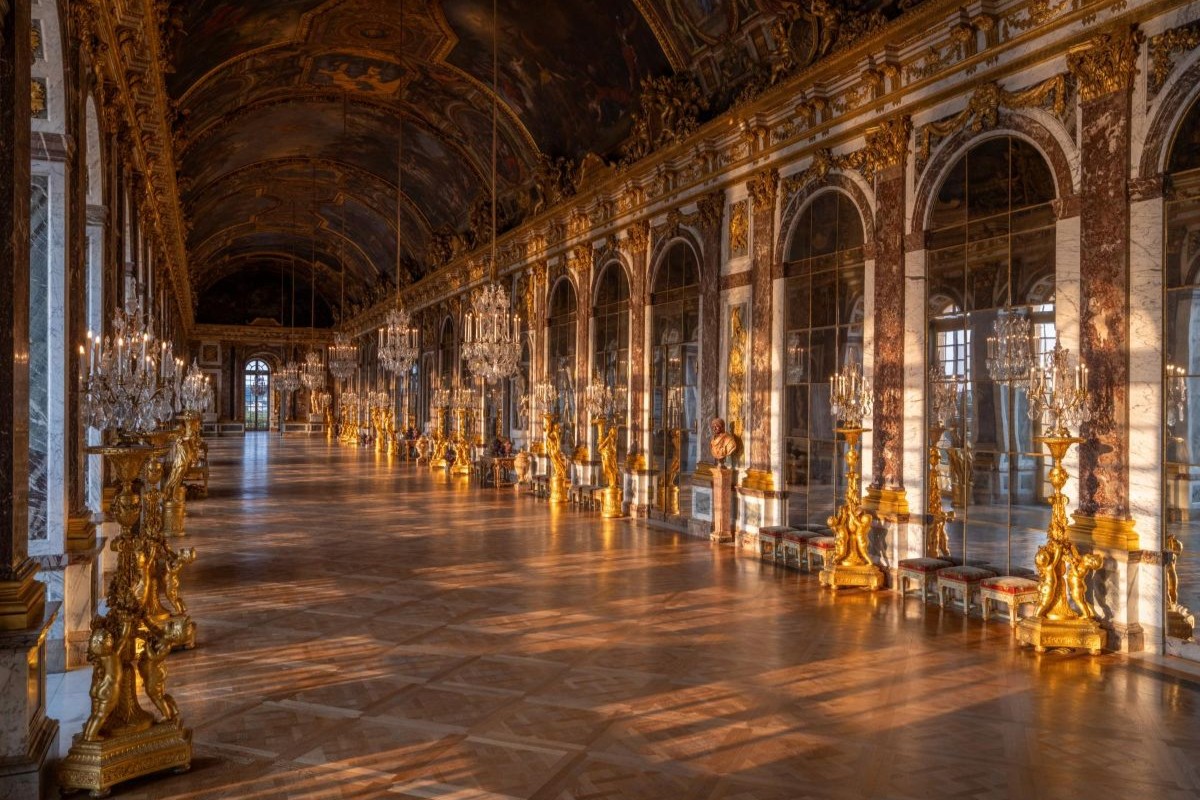
Court balls themselves followed strict codes. Invitations signaled favor. Placement in the room reflected hierarchy. Even the right to approach the king during a dance or intermission carried symbolic weight. Music, choreography, and spectacle reinforced royal mythology, while nobles competed subtly for attention through wit, fashion, alliances, and strategic conversation. Gambling tables often accompanied these evenings, and fortunes could change hands overnight, further binding courtiers in networks of debt and dependence.
Maintaining such a lifestyle required enormous expenditure. Many aristocratic families mortgaged lands, increased taxation on their estates, or accumulated debt simply to sustain appearances at Versailles. Withdrawal from court meant political invisibility and even worse, absence could be interpreted as disloyalty.
The result was structural dependency and distraction. Nobles who exhausted their resources increasingly relied on royal pensions, military appointments, or ceremonial offices granted by the king. They were left worrying about these matters, leaving no time to scheme against the king.
In modern political terms, this was centralized influence through economic pressure masked as glamour, music, candlelight, and gold.
From Versailles to Marly: The Ultimate Invitation
If Versailles was the grand stage of royal power, Marly was its private salon. Beginning in 1679, Louis XIV created the Château de Marly as a retreat located not far from Versailles. Instead of a single massive palace, the estate consisted of a central pavilion for the king surrounded by twelve smaller residences for selected guests.
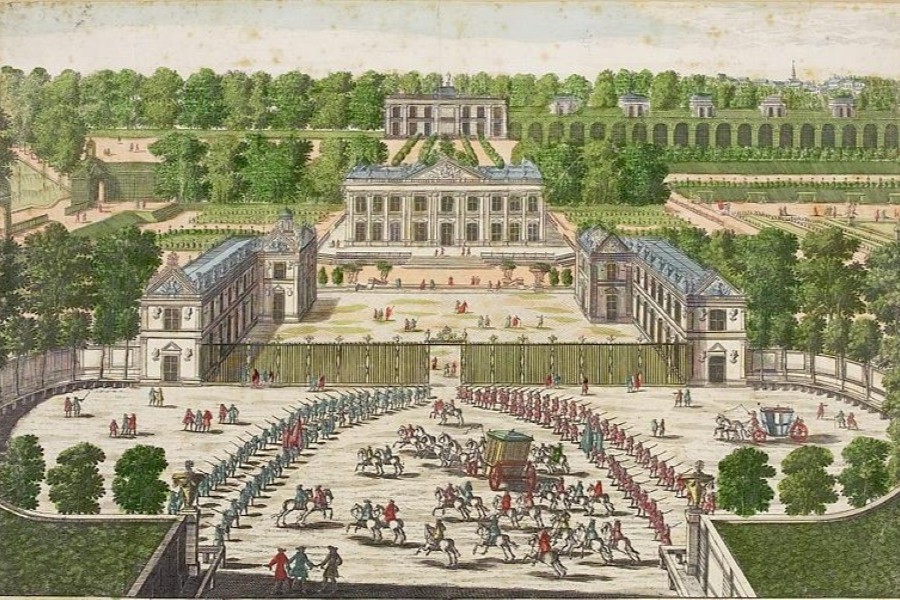
Being invited to Marly was one of the greatest honors a courtier could receive. Unlike Versailles, which hosted thousands of nobles, Marly welcomed only a small group chosen personally by the king.
For ambitious courtiers, such invitations were priceless. A stay at Marly meant intimacy with the monarch and often signaled extraordinary royal favor. Marly was therefore not created for spectacle. It was designed as a mechanism of selection and control, allowing Louis XIV to refine the hierarchy already established at Versailles.
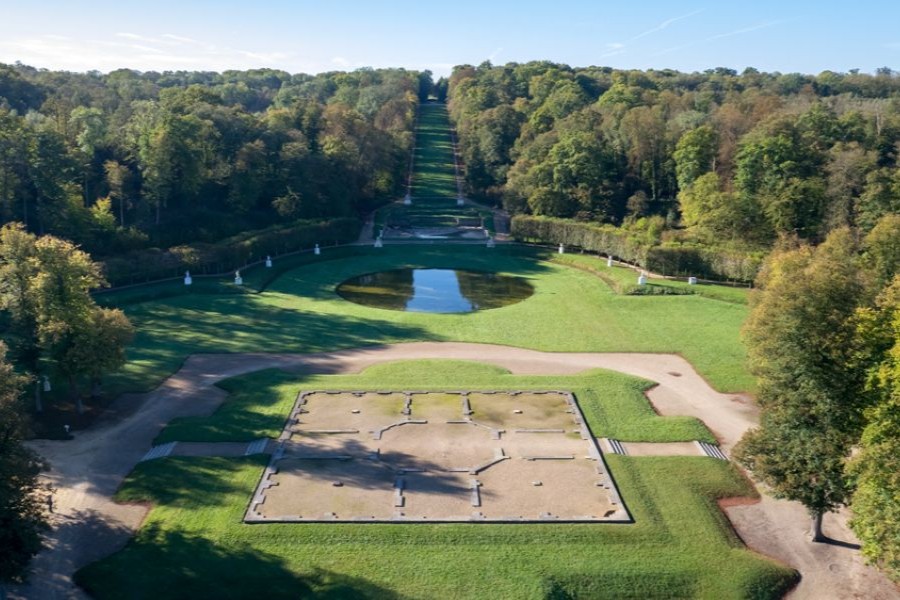
Although the château itself was dismantled after the Revolution, the landscape still reveals the carefully ordered design of Louis XIV’s private domain. Today, the statues created for Chateau de Marly are now found in the Louvre in the sculpture garden, the Cour Marly.
Diplomacy on Display at Versailles
Versailles was not only designed to control the French nobility. It was also a powerful stage for international diplomacy. When foreign ambassadors arrived at the court of Louis XIV at Versailles, they were entering a carefully choreographed theater of diplomacy where every gesture, object, and ceremony reinforced the prestige of the French crown.
Reception ceremonies unfolded within an environment deliberately designed to overwhelm visitors. Diplomats crossed glittering galleries, passed through rooms filled with mythological symbolism, and witnessed rituals that placed the king at the center of political gravity. The message was unmistakable: France stood at the heart of European power, and Versailles was its stage.
Diplomacy here was not conducted quietly behind closed doors. It was performed through spectacle, hierarchy, and visible signs of royal favor.
Protocol, Waiting, and the Politics of Hierarchy
Diplomatic audiences at Versailles were also shaped by a meticulous choreography of protocol. Access to the king was carefully regulated, and even the smallest details could carry political meaning. Audience times might be delayed, processional order adjusted, or seating arrangements recalculated according to rank and circumstance.
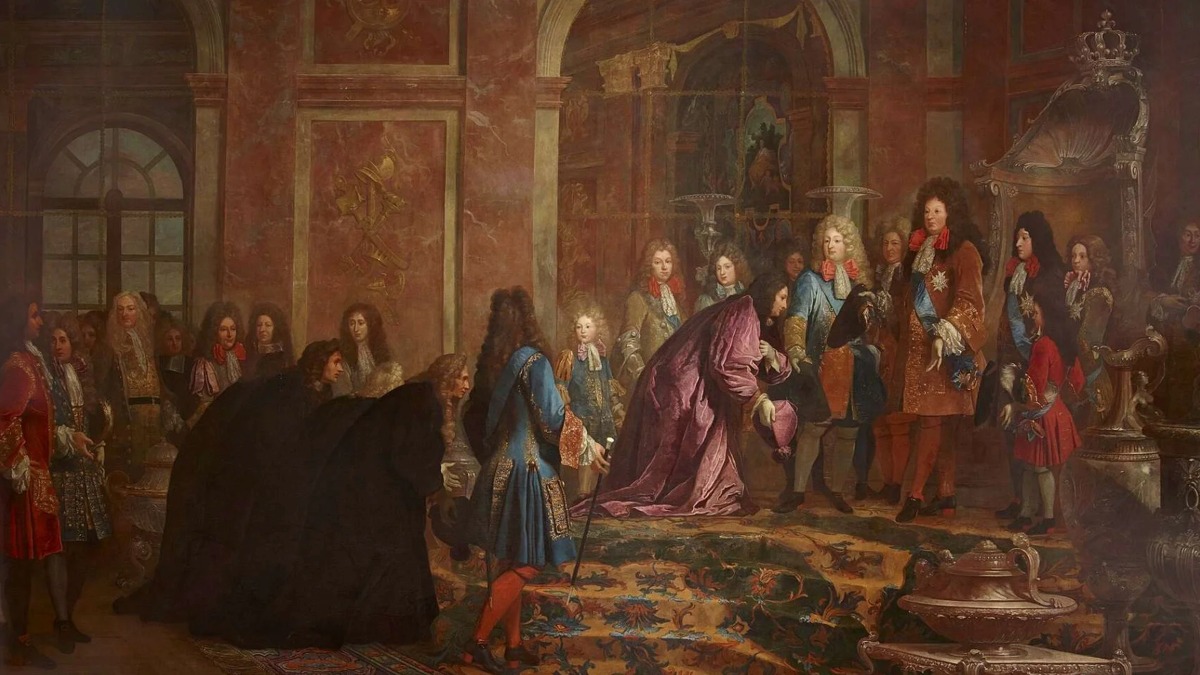
Occasionally disputes broke out between ambassadors about precedence, particularly between representatives of Spain, England, and the Holy Roman Empire. Louis XIV sometimes allowed these disagreements to unfold before intervening himself, reinforcing the idea that ultimate authority rested with him.
For a diplomat, being made to wait was not merely an inconvenience. It was a subtle demonstration of dominance. Through ceremony, timing, and carefully staged encounters, Louis XIV transformed protocol into a diplomatic instrument, reminding visitors that influence at the French court flowed from a single source, the king.
Diamond Portraits and the Symbolism of Royal Favor
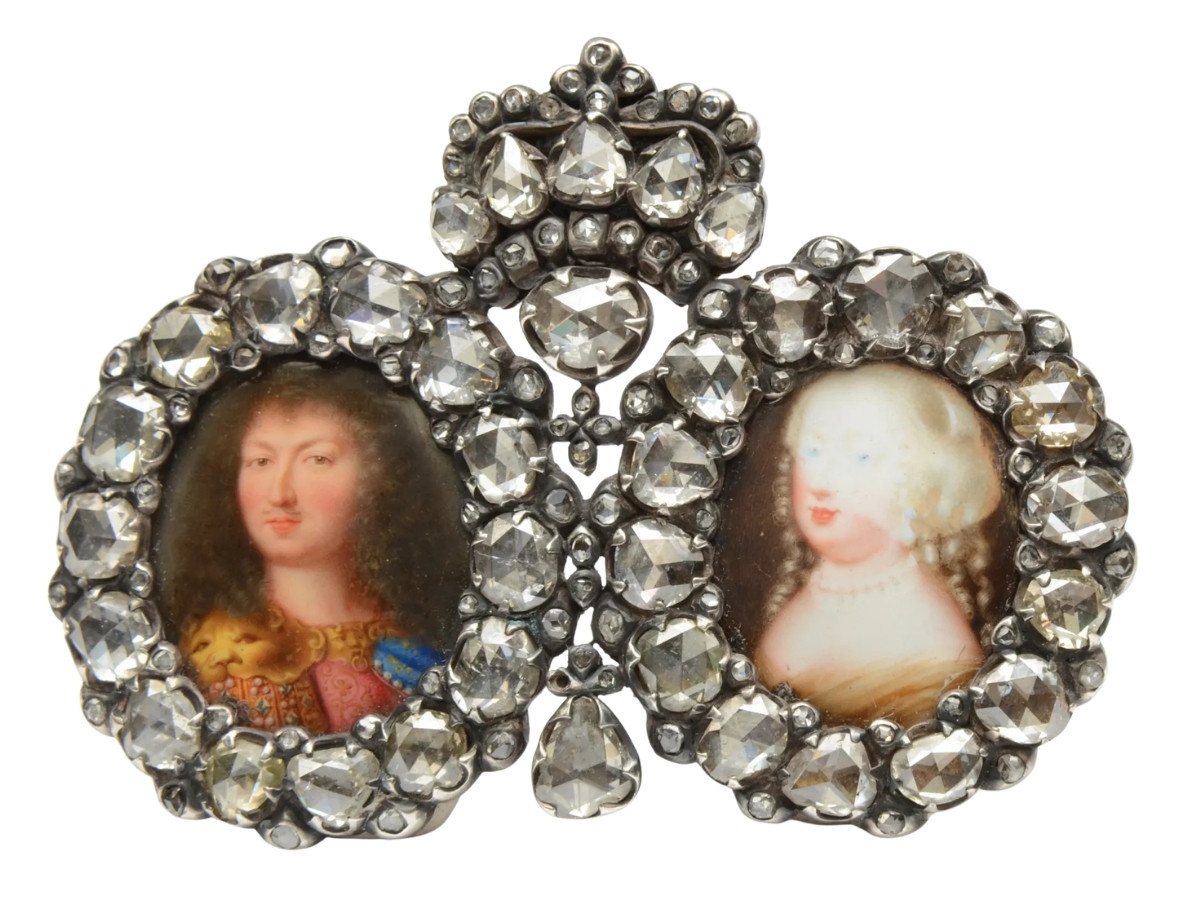
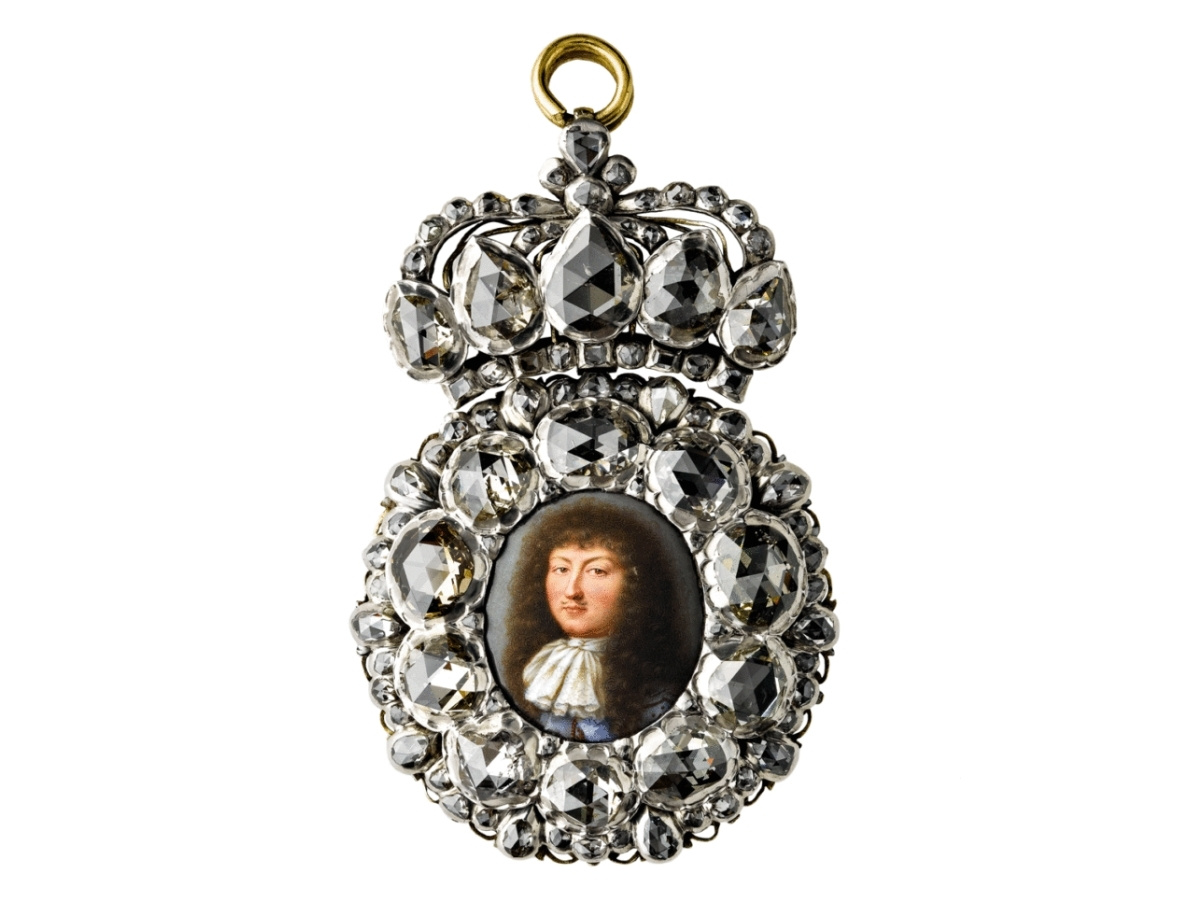
One of the most remarkable diplomatic tools used by Louis XIV at Versailles was the presentation of jeweled portraits of the king. Select ambassadors and distinguished visitors were gifted miniature portraits of Louis XIV framed in diamonds, objects designed to be worn visibly on clothing or suspended as pendants. These gifts were far more than luxurious souvenirs. They served as public markers of royal favor. To wear the portrait of the king signaled that the recipient had stood in the presence of the Sun King and enjoyed his recognition.
Over the course of his reign, Louis XIV distributed hundreds of these jeweled portraits across Europe. Many were later dismantled, their diamonds reused and their gold melted down during later political upheavals. Yet the strategy behind them was clear. These objects transformed personal favor into visible allegiance, allowing the prestige of Versailles to circulate far beyond France.
Versailles as Louis XIV’s Cultural Weapon
Beyond politics and diplomacy, Louis XIV at Versailles also shaped the cultural identity of Europe.
The king actively supported artists, playwrights, musicians, and architects. Figures such as Molière, Jean Racine, and composer Lully helped create a vibrant cultural life that revolved around the court.
The result was extraordinary. French language, fashion, etiquette, and artistic style began spreading across European courts. From Vienna to Saint Petersburg, rulers and aristocrats looked to Versailles as a model of elegance and refinement.
Even today, the enduring concept of l’art de vivre, that uniquely French art of living, traces its international prestige back to the cultural dominance forged at Versailles!
The Staging of Royal Spectacle
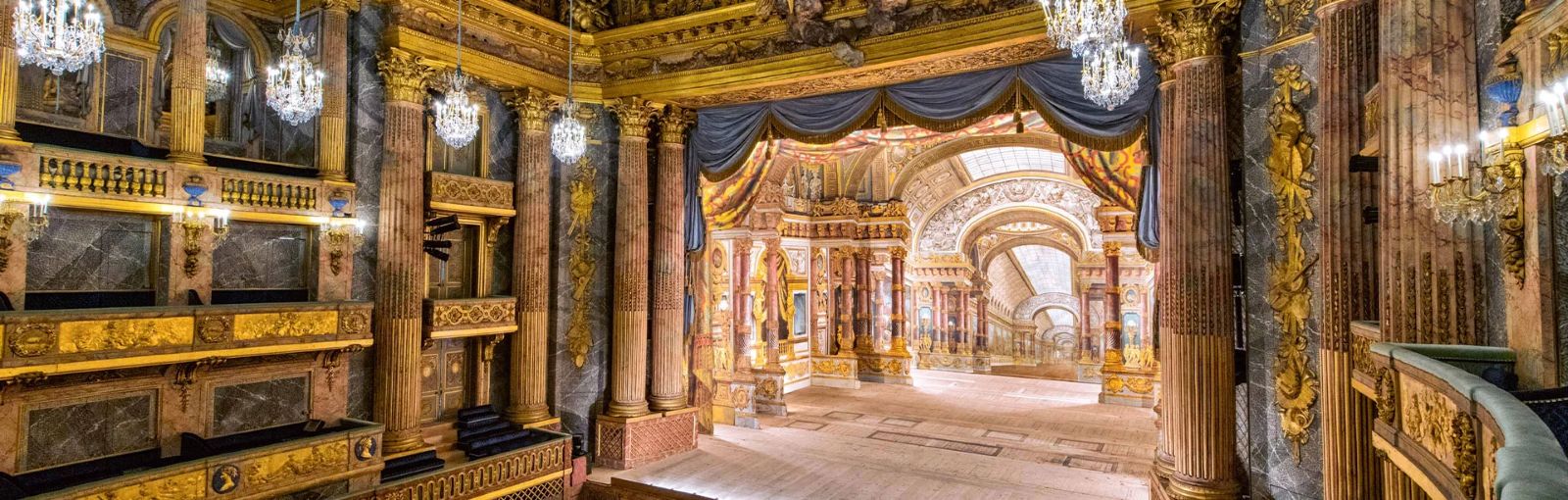
Court ballets, theatrical performances, literary premieres, and elaborate fêtes in the gardens were conceived as instruments of royal glorification.
Louis XIV was not a passive patron seated in the audience. In his youth, he actively performed in court ballets, most famously in the 1653 Ballet de la Nuit, where he appeared as Apollo, the Sun God. This performance marked his final transformation into the Sun King. The king would continue to present himself as the luminous force around which the kingdom revolved, transforming mythology into political doctrine.
French Language and Etiquette as Instruments of Influence
Under Louis XIV, French became the diplomatic language of Europe. Royal marriages linked the Bourbon dynasty to Spain, Savoy, Bavaria, and beyond, carrying French tutors, governesses, architects, and etiquette with them. Princesses raised at Versailles brought language and manners into foreign courts, where speaking French soon signaled refinement and political sophistication. By the early 18th century, ambassadors negotiated treaties in French, and aristocrats from Berlin to Saint Petersburg corresponded in the language of Versailles.
Etiquette, too, traveled across borders. The ceremonial codes perfected at Versailles, such as how to bow, how to approach a sovereign, how to structure court hierarchy became templates for emerging absolutist courts. Rulers such as Frederick I of Prussia and Peter the Great of Russia consciously imitated French ceremony to elevate their own authority. State visits reinforced this diffusion as foreign envoys returning home described the splendor of Versailles, its rituals, gardens, and choreography of power, inspiring architectural replicas and ceremonial reforms abroad.
Through dynastic alliances, diplomatic exchange, and the magnetic glory of Versailles itself, France projected influence far beyond its borders. Long after Louis XIV’s wars ended, Europe continued to look to Versailles for models of taste, language, and royal authority, proof that the soft cultural power created by Louis XIV at Versailles could outlast cannon fire and conquest.
FAQs about Louis XIV at Versailles
Daily life with Louis XIV at Versailles revolved around a strict schedule of rituals, ceremonies, and social events. Courtiers attended the king’s morning lever, evening coucher, court balls, theatrical performances, and hunting parties. Every interaction with the king carried prestige, and even small privileges, such as assisting the king while he dressed, could elevate a noble’s status at court.
One of the most remarkable aspects of Versailles was how the king controlled the nobility through prestige rather than force. By encouraging nobles to live at court, he surrounded them with luxury, competition, and ceremony. Their ambitions shifted from building independent power in the provinces to gaining royal favor at Versailles.
Under Louis XIV, the palace became a stage for international diplomacy. Foreign ambassadors were received in magnificent settings such as the Hall of Mirrors, where elaborate ceremonies reinforced the prestige of the French monarchy. Through spectacle, protocol, and carefully orchestrated receptions, Louis XIV projected the image of France as the leading power in Europe.
Through dynastic marriages, diplomatic exchanges, and the prestige of French theatre and etiquette, Louis XIV at Versailles turned French language and court ceremony into European standards. Other royal courts adopted French as the language of diplomacy and imitated Versailles in architecture and ritual, extending Louis XIV’s influence far beyond France.
Yes. From 1682 onward, Louis XIV made the palace the permanent seat of his government and court. Thousands of courtiers, officials, and servants lived around the palace, transforming Versailles into a vibrant political and social center where royal authority shaped every aspect of daily life.
Plan Your Visit to Step Inside Absolute Power at Versailles Today!
If you wish to experience Louis XIV at Versailles not as tourists but as privileged guests, our team will be honored to design your private royal journey.
Book your Versailles tour today and explore one of Versailles’ most iconic rooms. Your guided visit will bring history to life with expert insights, rich context, and stories you won’t find anywhere else. Secure your spot now and experience the real Versailles through the spaces that shaped the daily life of the French nobility.
Versailles Unmissables Private Tour
Learn more about the fascinating history and lavish royal lives with your expert guide!